
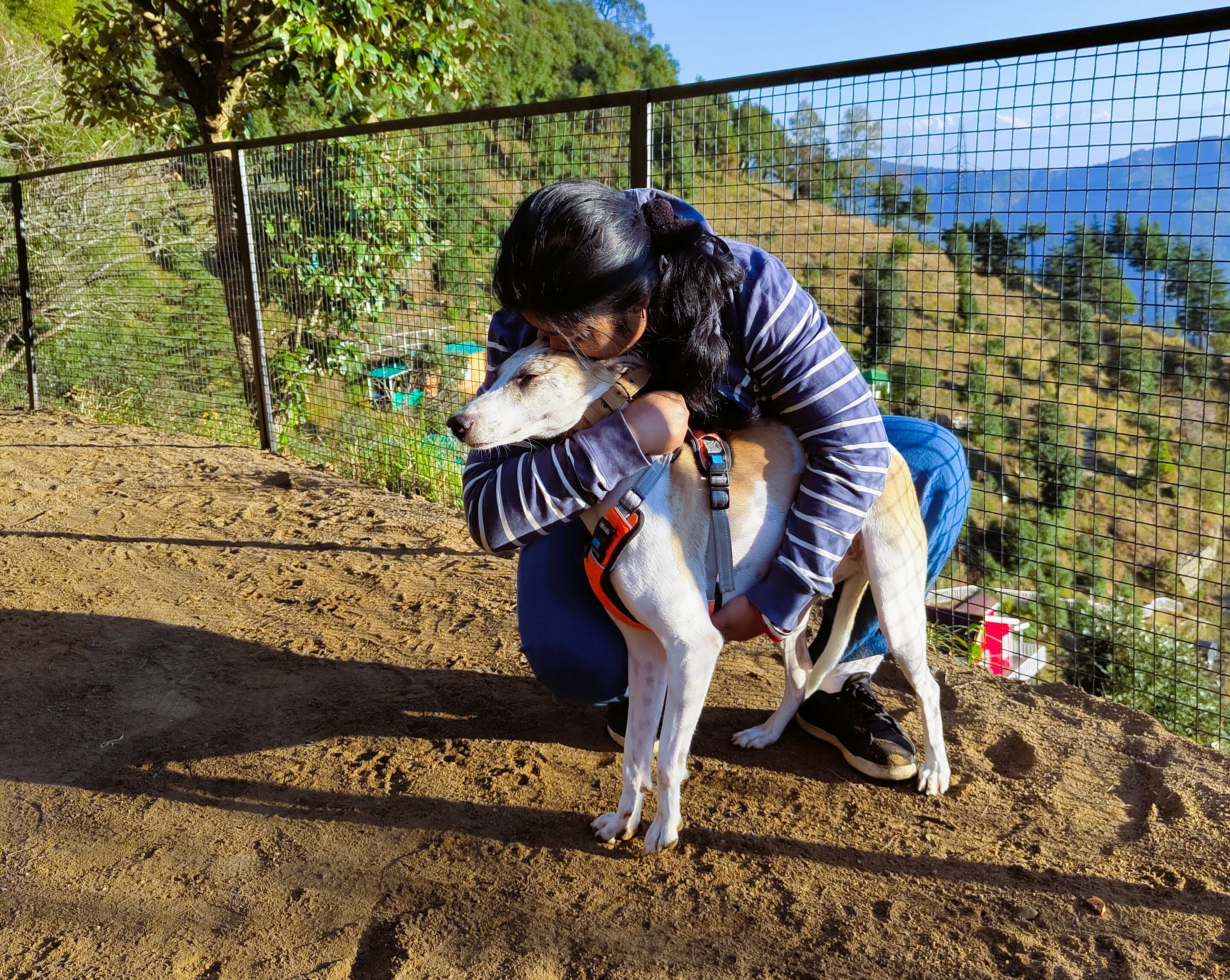
In a world where we are often our own harshest critics, cultivating radical self-compassion and kindness can be transformative. Self-compassion is about recognizing our shared humanity, embracing our imperfections, and offering ourselves unconditional love and acceptance. When we extend compassion to ourselves, we create a nurturing space for growth and healing, allowing us to learn from mistakes and setbacks without harsh self-judgment. By treating ourselves with kindness, we can build resilience, enhance our well-being, and develop a deeper sense of inner peace and contentment. This post describes in detail about radical self-compassion and how to practice it?
What is Self-Compassion?
“You yourself, as much as anybody in the entire universe, deserve your love and affection” – Buddha
Self-compassion is the practice of being kind and understanding towards yourself, rather than being judgmental or harsh. It can help avoid burnout, maintain a positive outlook, and become more resilient to stress and hardship.
What is Radical Self-Compassion?
Radical self-compassion goes beyond mere kindness to oneself; it’s a transformative practice involving acknowledging and embracing all aspects of our being with warmth and understanding. It’s about recognizing our shared humanity, imperfections, and suffering, and treating ourselves with the same care we’d give a dear friend.
“Talk to yourself like you would to someone you love” – Brené Brown
Dr. Kristin Neff, a pioneer in self-compassion research, defines self-compassion as comprising three core components: self-kindness, common humanity, and mindfulness. When these elements are practiced together, they create a powerful tool for personal healing and growth. As Neff states, “Self-compassion involves treating yourself the way you would treat a friend who is having a hard time.”
The Importance of Self-Compassion

Nowadays, the world emphasizes productivity and perfection, and many of us are very critical of ourselves. This self-criticism can lead to negative outcomes such as anxiety, depression, and burnout. Practicing radical self-compassion helps counteract these effects, promoting emotional resilience and overall well-being.
“The most powerful relationship you will ever have is the relationship with yourself” – Steve Maraboli
Research indicates that being self-compassionate not only benefits individual well-being, but also has a positive impact on social interactions and community dynamics. By cultivating self-compassion, individuals can foster empathy and understanding towards others, contributing to the creation of a more compassionate and supportive environment. Studies have shown that self-compassionate individuals are more likely to engage in acts of kindness and demonstrate higher levels of emotional intelligence, which can enhance the overall quality of relationships and interactions. Moreover, self-compassion promotes resilience and emotional stability, enabling individuals to cope with stress and adversity in a constructive manner, ultimately leading to a more fulfilling and balanced life.
Real-Life Stories: Survivors of Trauma and Abuse
The Story of Laxmi Agarwal

Laxmi Agarwal’s story is one of incredible resilience and self-compassion. In 2005, at the age of 15, Laxmi was attacked with acid by a man whose advances she had rejected. The attack left her with severe burns on her face and other parts of her body. The physical and emotional pain was immense, but Laxmi chose to rise above her suffering.
Instead of succumbing to self-pity or hatred, Laxmi practiced radical self-compassion. She acknowledged her pain and suffering, but she also recognized her strength and courage. Laxmi became an advocate for acid attack survivors, founding the NGO Chhanv Foundation and leading a successful campaign to regulate the sale of acid in India. Her journey is a testament to the power of self-compassion in overcoming trauma.
In Laxmi’s words, “I will keep fighting for justice and against acid attacks. My mission is to ensure that no other person has to go through the same ordeal that I did.”
The Story of Arunima Sinha

Arunima Sinha’s story is another powerful example of radical self-compassion. In 2011, she was thrown off a moving train by thieves attempting to steal her bag and gold chain. She lost one of her legs in the accident, a devastating blow for the former national-level volleyball player.
However, Arunima refused to let the incident define her. She practiced self-compassion by allowing herself to grieve and heal, but she also set her sights on a seemingly impossible goal: climbing Mount Everest. In 2013, just two years after her accident, Arunima became the first female amputee to scale the world’s highest peak. Arunima’s journey was fraught with physical and emotional challenges, but her unwavering self-compassion and determination carried her through.
In Arunima’s words, “I decided to live a life with dignity and self-respect. The incident could break my body but not my spirit.”
The Story of Malvika Iyer

Malvika Iyer is a renowned disability rights activist and motivational speaker. At the age of 13, she lost both her hands and sustained severe injuries to her legs in a grenade blast. Despite the traumatic experience, Malvika embraced radical self-compassion to rebuild her life.
She pursued her education with determination, earning a Ph.D. in Social Work. Malvika also became a strong advocate for disability rights, sharing her story to inspire others. Her journey underscores the importance of self-compassion in overcoming adversity.
Malvika says, “I decided to transform my pain into power. Self-compassion helped me accept my new reality and move forward with courage.”
How to Practice Radical Self-Compassion
1. Self-Kindness vs. Self-Judgment
Self-kindness is important for self-care and personal development. It means being gentle with yourself during tough times and cultivating resilience. Acknowledging your progress, even when facing challenges, contributes to a healthier mindset and self-worth.
2. Common Humanity vs. Isolation
Recognizing that suffering and imperfection are part of the human experience can help you feel less isolated in your pain. Remember that everyone makes mistakes and faces difficulties; you are not alone in your struggles.
3. Mindfulness vs. Over-Identification
Mindfulness is about observing your thoughts and feelings without getting too attached to them. It involves recognizing your pain without allowing it to shape your identity. With a balanced perspective, you can navigate your emotions more effectively and respond to challenges with clarity.
Practicing Self-Compassion for Narcissistic Abuse

Narcissistic abuse can have severe effects on the victim, such as chronic anxiety, depression, and a pervasive sense of worthlessness. The abuse often involves subtle manipulation, like controlling behavior and undermining the victim’s self-esteem, resulting in the erosion of confidence and autonomy. The lack of empathy from the abuser deepens the emotional trauma, leaving the victim feeling isolated and invalidated. Cultivating self-compassion becomes crucial for healing, helping the individual rebuild a positive self-image and inner resilience.
Recognize the Abuse and Validate Your Feelings
The first step in self-compassion is recognizing and validating feelings of abuse, understanding the reality of the pain, and allowing oneself to grieve and express emotions without judgment.
Self-Kindness
Offer yourself kindness and understanding. Remind yourself that it was not your fault and speak to yourself with the same compassion you would offer a friend who has experienced similar trauma.
Common Humanity
Understand that you’re not alone. Many people have endured narcissistic abuse and found ways to heal. Connecting with support groups or reading stories of others who have survived can provide comfort and a sense of community.
Mindfulness
Practicing mindfulness helps you stay present and grounded by allowing you to observe your thoughts and feelings without becoming overwhelmed by them. Techniques such as deep breathing and meditation can be particularly helpful in managing anxiety and intrusive thoughts.
Practicing Self-Compassion as Parents

Parenting is a complex journey with many emotions and experiences. It involves witnessing a child’s growth and facing challenges that may lead to feelings of guilt and stress. Parents often doubt themselves as they nurture their children. During these times, being kind to oneself can help parents cope with the difficulties of raising children by offering understanding and support. This self-compassion allows parents to recognize their own imperfections and be kind to themselves as they navigate the ups and downs of parenting.
Self-Kindness
Acknowledge that parenting is challenging and it’s okay to make mistakes. Treat yourself with the same kindness you would offer to your child. Remind yourself that perfection is not the goal; being a loving and attentive parent is what truly matters.
Common Humanity
Recognize that all parents encounter challenges and uncertainties. You are not alone in your struggles. Sharing experiences with other parents can help make your feelings normal and reduce the sense of isolation.
Mindfulness
Stay present with your children and yourself. Mindfulness can help you appreciate joyful moments and reduce stress, as well as respond to challenging situations with calmness and clarity.
Practicing Self-Compassion for Children

Teaching kids self-compassion is essential for their emotional and social development. It helps them build resilience and effectively handle various emotions such as disappointment, frustration, anxiety, and sadness. It also contributes to nurturing a healthy self-esteem, empowering children to face challenges with confidence. Learning self-compassion also fosters empathy, extending kindness not only to others but also to their own experiences and feelings. Ultimately, teaching self-compassion to kids forms a strong foundation for their emotional well-being and relationships with others.
Self-Kindness
Encourage kids to be kind to themselves when they make mistakes or face challenges. Help them understand that it’s okay to feel sad, frustrated, or disappointed, and that these feelings are a normal part of life.
Common Humanity
Teach kids that everyone faces challenges and making mistakes is a normal part of learning. Sharing stories of successful people who overcame obstacles can inspire and show them they are not alone in their experiences.
Mindfulness
Introduce mindfulness practices to kids, like deep breathing or guided meditations, to help them stay grounded and manage their emotions better.
Practicing Self-Compassion in the Workplace

The workplace can be demanding, with heavy workloads, tight deadlines, and high expectations. Despite these pressures, being kind to yourself can greatly impact your well-being, performance, and the work environment. Practicing self-compassion and self-care can help manage stress and prevent burnout. Fostering a culture of kindness and understanding towards oneself can create a more positive and supportive atmosphere, leading to increased productivity and job satisfaction.
Self-Kindness
When you encounter setbacks or mistakes at work, be kind to yourself instead of being overly critical. Everyone makes mistakes, and they can be valuable opportunities for growth and learning.
Common Humanity
Understand that workplace stress and challenges are common. Recognize that your colleagues also face difficulties, fostering empathy and support within the team.
Mindfulness
Practice mindfulness at work by taking short breaks to breathe deeply or meditate. This can help reduce stress and improve your productivity and well-being.
Learning Self-Compassion from Animals

Animals can teach us about self-compassion by showing us how to nurture ourselves through their behaviors and interactions. For instance, their care for their young demonstrates the importance of patience and empathy in self-care, while their own seeking of comfort and rest reminds us to take breaks when needed. Observing animals’ natural instinct for balance and self-preservation can inspire us to incorporate similar nurturing practices into our lives.
Unconditional Love
Pets like dogs and cats give us unconditional love and acceptance, reminding us to treat ourselves with the same level of compassion.
Living in the Moment
Animals, unlike humans, do not dwell on past mistakes or worry about future uncertainties. They live in the present moment, inspiring us to focus on the here and now, appreciate the present, and let go of unnecessary stress.
Self-Care
Animals naturally know how to care for themselves. They rest when tired, eat when hungry, and seek comfort when distressed. We can learn from their self-care habits to prioritize our own well-being.
Empathy and Social Bonds
Many animals show empathy and form strong social bonds. For instance, elephants are recognized for their compassionate behavior towards their herd members. Witnessing such behaviors can motivate us to develop empathy and compassion in our relationships.
Actionable Activity: The Self-Compassion Journal

“The act of writing is the act of discovering what you believe” – David Hare
One way to cultivate self-compassion is through journaling. The Self-Compassion Journal is a daily practice designed to help you develop a more compassionate relationship with yourself. Set aside a specific time each day to sit down with your journal, reflect on your experiences, and express kindness and understanding towards yourself. Write about moments when you felt challenged or overwhelmed, acknowledging your feelings without judgment. Consider ways in which you can offer yourself comfort and support, just as you would for a close friend.
Step 1: Set Aside Time Each Day: Dedicate 10-15 minutes every day to breathing deeply and journaling in a quiet, comfortable place.
Step 2: Reflect on Your Day: Begin by reflecting on your day. Write about any challenges you faced and how they made you feel. Be honest and open with yourself.
Step 3: Practice Self-Kindness: For each challenge or difficulty, write a few sentences offering yourself kindness and understanding. Imagine what you would say to a friend in a similar situation, and direct those words towards yourself.
“Loving-kindness meditation recognizes that love is not a limited resource. The more you practice loving-kindness, the more you have to give” – Sharon Salzberg
For example:
- “It’s okay to feel disappointed about not meeting my goal. I tried my best, and that’s what matters.”
- “I’m proud of myself for handling that difficult conversation with grace, even though it was uncomfortable.”
Step 4: Common Humanity: Remember, you’re not alone in your struggles. Acknowledge that everyone faces difficulties and makes mistakes.
“Mindfulness means paying attention in a particular way: on purpose, in the present moment, and non-judgmentally” – Jon Kabat-Zinn
For example:
- “Everyone feels insecure sometimes. It’s a part of being human.”
- “Making mistakes is how we learn and grow. I’m not the only one who struggles with this.”
Step 5: Cultivate Mindfulness: Practice mindfulness by observing your thoughts and feelings without judgment. Write about your feelings without trying to change anything.
For example:
- “I’m feeling anxious right now, and that’s okay. I can sit with this feeling and let it pass.”
- “I notice that I’m being hard on myself. I can choose to be gentle and kind instead.”
The Science Behind Self-Compassion
Numerous studies have shown that self-compassion has benefits for mental health and well-being. People who are self-compassionate tend to have lower anxiety and depression, higher life satisfaction, and greater emotional resilience.
A study in the Journal of Personality and Social Psychology revealed that self-compassion is linked to emotional intelligence, indicating that individuals who are self-compassionate can better understand and regulate their emotions. Additionally, a study in the Journal of Clinical Psychology showed that self-compassion interventions can notably alleviate symptoms of anxiety and depression.
- Building Emotional Resilience: Developing emotional resilience helps us navigate life’s challenges more easily.
- Managing Anxiety and Depression: Embracing ourselves and our experiences without judgment fosters a more positive and supportive mental environment.
- Fostering Personal Growth: Self-compassion encourages personal development by embracing our imperfections and learning from our mistakes.
Steps for Integrating Self-Compassion into Daily Life
“Self-compassion is simply giving the same kindness to ourselves that we would give to others” – Christopher Germer
- Mindful Breathing: Practice focused breathing daily to cultivate self-compassion and calm the mind.
- Affirmations: Write positive statements like “I deserve love and respect” and repeat them daily to promote self-esteem and self-care.
- Self-Compassion Breaks: Take short breaks during the day when feeling stressed or overwhelmed.
- Gratitude Journal: Write down things you are grateful for each day to shift your mindset towards positivity and self-compassion.
- Self-Care Rituals: Incorporate self-care rituals into your daily life and developing a self-compassionate morning routine.
Conclusion
“Self-care is how you take your power back, whereas, self-compassion involves treating yourself the way you would treat a friend who is having a hard time”
Practicing radical self-compassion involves recognizing our inherent worth and acknowledging the power of kindness and understanding in our own lives. By acknowledging our imperfections and embracing the concept of self-compassion, we can create a solid foundation for personal growth and emotional well-being. This journey is particularly significant for individuals dealing with the aftermath of narcissistic abuse, as it allows them to reclaim their sense of self-worth and rebuild their emotional resilience. Additionally, in parenting, self-compassion can be a guiding light for navigating the myriad challenges that arise, for both the parents and the children. Furthermore, in today’s fast-paced and demanding work environments, the practice of self-compassion can serve as a vital tool for managing stress and maintaining a healthy work-life balance, ultimately leading to enhanced emotional well-being and overall life satisfaction.
Learning from animals can teach us valuable lessons in self-compassion. For instance, cats show resilience through self-care activities like sunbathing or resting, while dogs demonstrate living in the present moment by fully engaging in play. We can also learn about empathy from observing elephants’ nurturing behavior towards their young. By incorporating these natural behaviors into our lives, we can cultivate a deeper sense of compassion for ourselves and others, thus enhancing our overall well-being.
References
Books
- “Self-Compassion: The Proven Power of Being Kind to Yourself” by Kristin Neff
- “The Mindful Path to Self-Compassion: Freeing Yourself from Destructive Thoughts and Emotions” by Christopher Germer
- “Radical Acceptance: Embracing Your Life with the Heart of a Buddha” by Tara Brach
- “The Gifts of Imperfection: Let Go of Who You Think You’re Supposed to Be and Embrace Who You Are” by Brené Brown
- “Loving kindness: The Revolutionary Art of Happiness” by Sharon Salzberg
- “Radical Self-Compassion: Transform Your Relationship With Yourself and Others” by Kristin Neff and Chris Germer
- “Fierce Self-Compassion: How Women Can Harness Kindness to Speak Up, Claim Their Power, and Thrive” by Kristin Neff
Articles and Online Resources
- self-compassion.org – This website offers a wealth of information on self-compassion, including guided meditations, exercises, and research articles.
- ggia.berkeley.edu -This site provides practical exercises and tips for cultivating self-compassion and other positive psychological traits.
- centerformsc.org – The MSC program, co-developed by Kristin Neff and Christopher Germer, offers workshops, courses, and resources to help individuals develop self-compassion.
These resources provide a comprehensive guide to understanding and practicing self-compassion, offering both theoretical insights and practical tools.


Please send your valuable feedback