
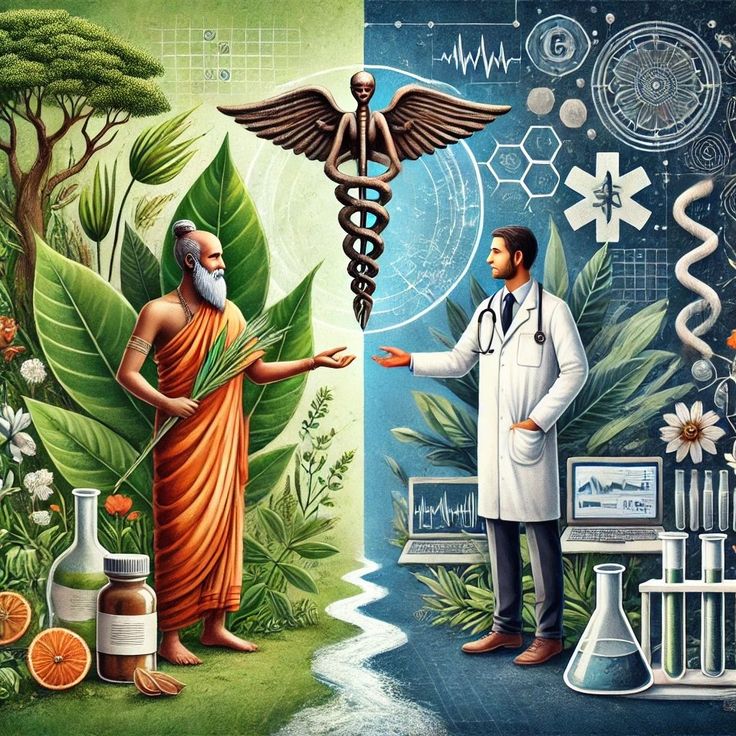
In continuation with Part 1, we will travel through the great medical traditions of the world— Islamic medicine, African traditional healing, Indigenous Australian Bush medicine and Modern medicine. We will see how they treated illness, how their ideas migrated along trade routes, and how their echoes remain in today’s clinics and pharmacies. By understanding where our healing practices began, we can better imagine where medicine might lead us next.
6. Islamic Golden Age Medicine
Between the 8th and 14th centuries CE, a brilliant chapter of medical history unfolded across the Islamic world. From the libraries of Baghdad’s House of Wisdom to the hospitals of Córdoba and Damascus, scholars and physicians built upon Greek, Persian, Indian, and Roman knowledge to create a medical tradition that was both scientific and spiritual. This period—often called the Islamic Golden Age—was marked by the translation of ancient texts, the founding of teaching hospitals, and the development of systematic methods of diagnosis, pharmacy, and surgery that would shape global medicine for centuries.
Knowledge as Worship: The Ethos of Healing
Islamic medicine arose within a culture that regarded knowledge (‘ilm) as a form of worship. The Prophet Muhammad encouraged the pursuit of healing, saying:
“Make use of medical treatment, for Allah has not made a disease without appointing a remedy for it, except for one disease—old age.” (Sahih al-Bukhari).
This belief—that every illness has a cure created by God—gave physicians both moral purpose and intellectual motivation. Healing was not merely a trade; it was a sacred trust, rooted in compassion and rigorous inquiry.
The House of Wisdom and the Translation Movement
The intellectual foundations of Islamic medicine were laid in the Bayt al-Hikma (House of Wisdom) in Baghdad, established by the Abbasid Caliph al-Ma’mun in the 9th century. Here, scholars translated the works of Hippocrates, Galen, Dioscorides, and Sushruta into Arabic and Persian. But translation was only the beginning. Muslim physicians critiqued, corrected, and expanded upon these sources, blending Greek humoral theory with Persian herbalism and Indian surgical practices.
One of the earliest translators, Hunayn ibn Ishaq (808–873 CE), produced authoritative Arabic versions of Galen’s texts and developed a medical terminology that would influence Latin Europe for centuries.
Bimaristans: The World’s First Modern Hospitals
While monasteries in medieval Europe offered only rudimentary care, the Islamic world pioneered the concept of the bimaristan—public hospitals that provided free treatment to all, regardless of religion, gender, or wealth.
-
Al-Qayrawan (Tunisia) housed one of the earliest hospitals (c. 830 CE), featuring separate wards, pharmacies, and even mental health units.
-
Baghdad’s Al-Adudi Hospital boasted lecture halls and a library for medical students.
-
Cairo’s Al-Mansuri Hospital (13th century) could accommodate thousands of patients and included music therapy rooms for mental illnesses.
These institutions introduced practices still fundamental today: medical licensing, rotating internships, record-keeping, and public funding. Historian Howard Turner calls them “the first true hospitals in the modern sense.”
The Great Physicians of the Islamic Golden Age
Al-Razi (Rhazes, 865–925 CE)
-
A Persian polymath who wrote Kitab al-Hawi (Comprehensive Book of Medicine), an encyclopedic medical text drawing on Greek, Persian, and Indian sources.
-
Authored one of the earliest clinical descriptions of smallpox and measles, distinguishing between the two diseases centuries before European medicine.
-
Advocated for evidence-based diagnosis and ethical practice, famously stating,
“The doctor’s aim is to do good, even to enemies.”
Ibn Sina (Avicenna, 980–1037 CE)
-
Often called the “Prince of Physicians,” Avicenna authored The Canon of Medicine (Al-Qanun fi al-Tibb), a five-volume masterpiece that systematized Greek, Roman, and Islamic knowledge.
-
The Canon covered anatomy, pharmacology, contagious diseases, and principles of hygiene. It served as a standard medical textbook in Europe until the 17th century and influenced figures like Paracelsus and Harvey.
-
Introduced the concept of quarantine to prevent the spread of infectious diseases, a practice later adopted in Renaissance Europe.
Al-Zahrawi (Albucasis, 936–1013 CE)
-
A surgeon from Córdoba, Al-Zahrawi wrote Al-Tasrif, a 30-volume medical encyclopedia that included detailed illustrations of surgical instruments.
-
Developed over 200 surgical tools, many of which—such as scalpels, forceps, and catgut sutures—are still recognizable today.
-
Pioneered techniques in dentistry, obstetrics, and reconstructive surgery, earning him the title “Father of Modern Surgery.”
Ibn al-Nafis (1213–1288 CE)
-
A Syrian physician who challenged Galen’s anatomical model by describing the pulmonary circulation of blood, centuries before William Harvey’s discovery in Europe.
-
His Commentary on Anatomy in Avicenna’s Canon corrected key misconceptions about the heart and lungs.
Pharmacy and the Science of Remedies
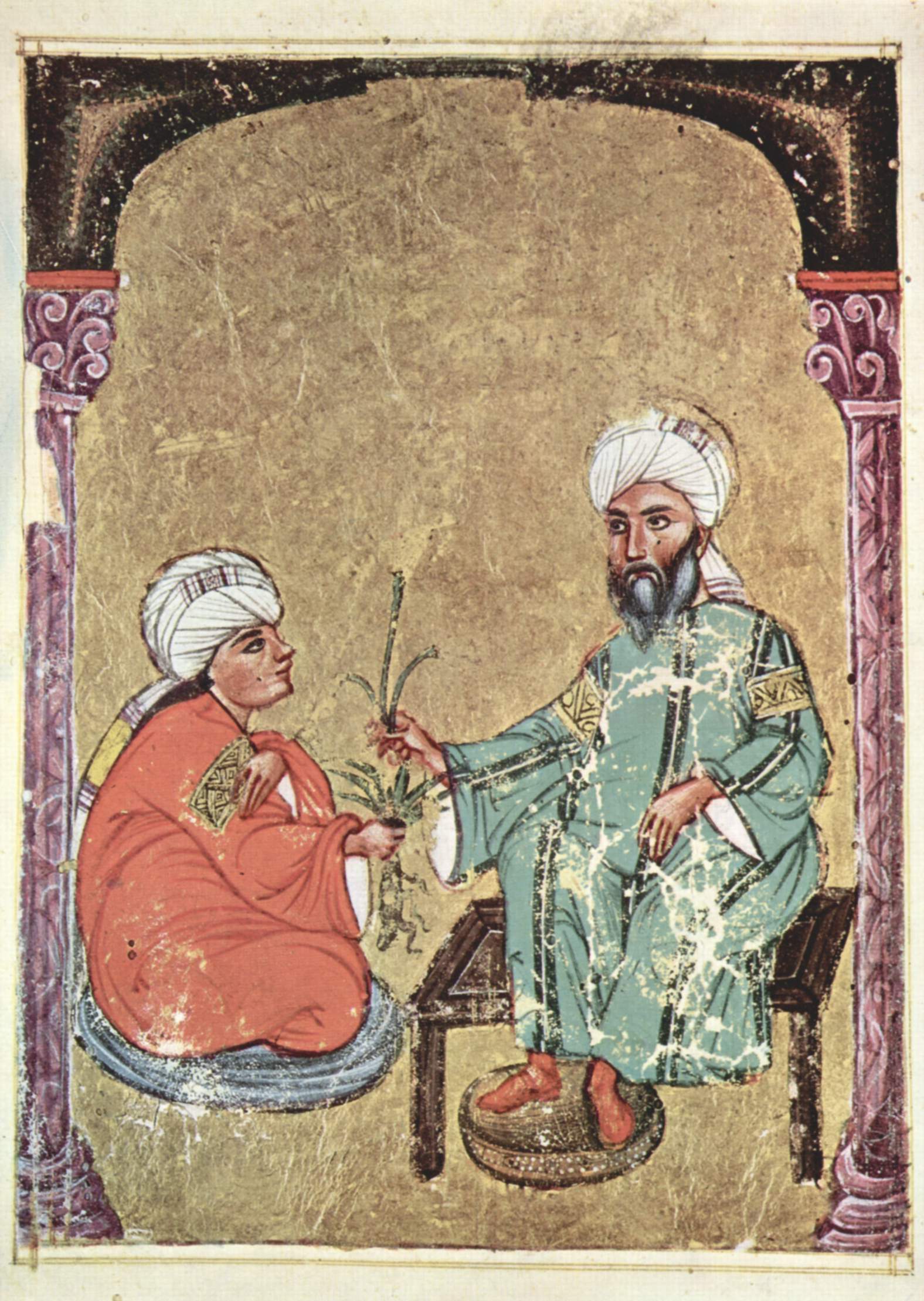
Islamic physicians excelled in pharmacology, blending Greek herbalism with the rich botanical resources of the Middle East and Asia.
-
Dioscorides’ De Materia Medica was expanded with new plants like camphor, senna, and myrrh.
-
The Baghdad pharmacist Sabur ibn Sahl (d. 869 CE) compiled the Aqrabadhin, one of the first standardized pharmacopeias, detailing recipes, dosages, and preparation methods.
-
Distillation techniques perfected by Muslim chemists like Jabir ibn Hayyan enabled the creation of essential oils and alcohol-based tinctures.
These innovations laid the groundwork for modern pharmacy, with many Arabic drug names—syrup (sharab), alcohol (al-kuhl), elixir (al-iksir)—entering European languages.
Public Health and Preventive Care
Islamic medicine placed strong emphasis on hygiene, diet, and prevention. Physicians advised regular bathing, balanced nutrition, and exercise long before these became staples of Western health advice.
The Prophetic Medicine (Tibb an-Nabawi) tradition, based on sayings of the Prophet Muhammad, recommended honey, black seed (Nigella sativa), and dates for various ailments. Modern studies confirm the antimicrobial properties of honey and the immune-boosting effects of black seed (Journal of Ethnopharmacology, 2016).
Cities like Baghdad and Cairo implemented public sanitation systems, including clean water supply and waste disposal, that rivaled anything in medieval Europe.
Bridging Civilizations
The medical texts of the Islamic Golden Age did not remain confined to the Muslim world. Through Andalusia (Spain) and the Crusades, these works were translated into Latin and became the backbone of European medical education. Universities in Salerno, Paris, and Bologna relied on Arabic texts well into the Renaissance.
Historian George Sarton famously observed:
“The Muslims were not only the guardians of ancient science but the creators of new science.”
By preserving and expanding Greek medicine, they ensured that the legacy of Hippocrates and Galen survived the Dark Ages and entered the modern world.
Enduring Legacy
Today, the contributions of Islamic medicine echo in every hospital and pharmacy. The hospital system, clinical observation, medical licensing, and pharmacology all bear the imprint of scholars like Al-Razi and Ibn Sina. Modern holistic medicine—emphasizing mind-body balance and preventive care—resonates with the Golden Age ethos.
In an era of rapid technological change, the Islamic Golden Age reminds us that true healing lies not only in innovation but in the integration of science, ethics, and compassion.
7. African Traditional Healing: Wisdom Rooted in Nature and Spirit
Across the vast and diverse African continent, healing practices emerged from deep observation of the natural world, an intimate understanding of the human body, and a profound connection to the spirit. Far from being a single, unified system, African traditional medicine encompasses thousands of distinct traditions, each shaped by local climates, plants, languages, and beliefs. Yet, common threads—herbal knowledge, spiritual rituals, community-based care, and a holistic understanding of illness—run through these diverse healing practices.
Healing as a Community Affair
In many African societies, health has never been merely an individual concern. Healing is woven into the social fabric, involving family, elders, and the broader community. Illness is often interpreted not just as a physical imbalance but as a disruption of relationships—with one’s ancestors, with the land, or within the social group. As historian John Janzen noted in The Quest for Therapy (1978), “The search for health in Africa is a search for harmony between body, spirit, and society.”
Ceremonies, songs, and communal gatherings are often part of the healing process, reinforcing the idea that recovery is not just about curing the body but restoring balance and unity.
Herbal Medicine: Africa’s Living Pharmacy
African healers—variously known as sangomas in Southern Africa, ngangas in Central Africa, or babalawos in Yoruba traditions—are often master herbalists. Over centuries, they have catalogued the medicinal properties of thousands of plants, passing this knowledge through oral tradition.
The bark of the Prunus africana tree, for example, has long been used to treat urinary and prostate issues; modern pharmacology has validated its effectiveness, and it is now an ingredient in drugs for benign prostatic hyperplasia. Similarly, the Hoodia gordonii cactus, traditionally chewed by the San people to suppress hunger on long hunts, later became the basis for appetite-suppressant research.
Scientific journals such as Journal of Ethnopharmacology have documented the antioxidant, antimicrobial, and anti-inflammatory properties of African botanicals like rooibos, baobab fruit, and devil’s claw. These plants are now exported globally as teas, supplements, and cosmetics—proof of Africa’s enduring contributions to modern medicine.
Divination and Spiritual Diagnosis
African traditional healing sees no strict boundary between the physical and the spiritual. Divination—using bones, shells, or other objects to read ancestral messages—helps diagnose the root cause of an illness, whether it is a curse, ancestral displeasure, or a moral transgression.
Among the Zulu, a sangoma might enter a trance to communicate with ancestors, seeking guidance on which herbal remedy or ritual is needed. In Yoruba Ifá divination, priests interpret patterns from sacred palm nuts to reveal imbalances and prescribe offerings or herbal preparations.
This spiritual dimension is not merely symbolic. Modern psychology increasingly recognizes the therapeutic power of rituals, belief, and the placebo effect. As anthropologist Barbara Myerhoff observed, “Rituals heal not only through chemistry but through meaning.”
Surgery, Midwifery, and Practical Skills
African traditional medicine is not solely spiritual. Historical accounts describe skilled bone-setting, circumcision, dental extractions, and even forms of smallpox inoculation long before European contact. Midwives have traditionally played vital roles in childbirth, employing herbal remedies to ease labor and prevent infection.
For example, the Maasai of Kenya and Tanzania have long used certain plant infusions to disinfect wounds, a practice validated by studies published in Phytotherapy Research, which found strong antibacterial properties in the plants used.
The Challenge of Colonization and Modern Integration
Colonialism and missionary activity often dismissed African medicine as “superstition,” suppressing indigenous practices in favor of Western biomedicine. Yet, despite these pressures, traditional healing remains deeply rooted. According to the World Health Organization (WHO), up to 80% of Africans still rely on traditional medicine as a primary source of healthcare, especially in rural areas where hospitals are scarce.
Today, there is growing recognition of its value. South Africa has officially recognized traditional healers as health practitioners, and Ghana has integrated herbal clinics into its national healthcare system. Research collaborations between universities and local healers aim to document and preserve medicinal knowledge while ensuring safety and sustainability.
Legacy and Global Relevance
African traditional healing reminds us that medicine is not only about molecules and microscopes—it is about relationships: with plants, with ancestors, and with the earth itself. In a world increasingly concerned with sustainability and holistic well-being, the African model—rooted in ecological respect and communal care—offers lessons far beyond the continent.
As Kenyan philosopher John Mbiti eloquently wrote, “Africans are not simply in the world; they are with the world. Nature is not just an object; it is a community of which humans are a part.”
This worldview, embedded in African healing traditions, continues to inspire a more balanced approach to health—one where science and spirit can coexist, and where healing means more than the absence of disease.
8. Indigenous Australian Bush Medicine: Healing with Country

For tens of thousands of years—long before the arrival of Europeans—Australia’s Aboriginal and Torres Strait Islander peoples developed one of the world’s oldest continuous systems of medicine. Known broadly as bush medicine, these healing practices are inseparable from Country—the land, plants, animals, waterways, and ancestral spirits that form a living, interconnected whole. Healing was never just about treating symptoms; it was about maintaining balance between the physical body, the spiritual self, the community, and the land itself.
Healing as Connection to Country
In Indigenous Australian cultures, health is understood as a state of harmony with Country and with the Dreaming (the spiritual and ancestral dimension of existence). Illness is not merely a physical malfunction; it may be caused by a breach of social law, a spiritual imbalance, or a loss of connection to one’s ancestors.
As Aboriginal scholar Judy Atkinson notes in Trauma Trails (2002), “Healing is not only about mending the body—it is about restoring relationships to land, culture, spirit, and community.”
Ceremonies, songs, and storytelling often accompany treatment. Healing is a communal responsibility, where elders, family members, and spiritual leaders (such as traditional healers known as Ngangkari among the Anangu people) all play a role. A person’s recovery is thus an act of collective care and cultural renewal.
The Pharmacy of the Bush
Australia’s unique flora provided Indigenous communities with a vast natural pharmacy. Over millennia, healers learned to identify, harvest, and prepare plants with medicinal properties, often through trial, observation, and teachings passed down orally.
Some of the most important bush medicines include:
-
Tea tree (Melaleuca alternifolia): Leaves crushed into a paste or boiled for antiseptic washes. Modern research published in the Australasian Journal of Dermatology confirms tea tree oil’s antibacterial and antifungal properties.
-
Eucalyptus leaves: Infused in water to treat coughs and respiratory infections. The cooling vapors are still used in modern cold remedies.
-
Kakadu plum (Terminalia ferdinandiana): Eaten for its extraordinarily high vitamin C content—now recognized as one of the richest natural sources of this nutrient.
-
Emu bush (Eremophila spp.): Leaves boiled into a wash for cuts and sores. A 2014 study in BMC Complementary and Alternative Medicine found potent antibacterial compounds in some species.
-
Sandpaper fig (Ficus opposita): Latex applied to warts and ringworm infections.
-
Spinifex resin: Used as an antiseptic dressing and to seal wounds.
These remedies were not merely applied mechanically. Correct preparation, timing of harvest, and respect for the plant’s spirit were essential. Elders often conducted rituals or songs to honor the plant and ensure its healing power.
The Role of the Ngangkari
Among many Aboriginal nations, the Ngangkari—traditional healers—held sacred knowledge of both the physical and spiritual realms. Trained from childhood through visions and ancestral guidance, Ngangkari diagnose illness through touch, observation, and spiritual insight.
They may perform spiritual extractions, removing harmful energies (sometimes described as “foreign objects”) from the body, or soul retrievals, restoring parts of the spirit believed to have been lost due to trauma or fear.
Modern psychology has begun to appreciate the parallels between such practices and therapeutic modalities for trauma. As psychiatrist Helen Milroy, Australia’s first Aboriginal psychiatrist, writes, “Healing in our cultures is holistic, addressing the wounds of the soul as much as the body.”
Ceremony, Song, and Smoke
Healing ceremonies often involve smoking rituals, where eucalyptus or acacia leaves are burned to cleanse a person or place of negative energy. Songlines—sacred musical maps of the land—are sung to invoke ancestral guidance and to realign the patient with the rhythms of Country. Dance, painting, and storytelling are also integral, not only as treatments but as a way to transmit cultural memory and reaffirm belonging.
Scientific Recognition and Modern Challenges
With colonization, Indigenous medicine faced systematic suppression. European settlers dismissed Aboriginal knowledge as superstition and outlawed many cultural practices. Yet bush medicine persisted in secret and continues to thrive today, especially in remote communities.
Modern science has increasingly validated the pharmacological value of many traditional remedies. The Kakadu plum, for example, is now marketed globally as a superfood, while tea tree oil has become a multimillion-dollar industry. Researchers at the University of Adelaide have documented the potent antimicrobial properties of emu bush extracts, supporting their traditional use for wound healing.
However, the commercialization of bush medicines raises issues of intellectual property and cultural appropriation. Indigenous leaders emphasize that these plants are not merely commodities; they are part of living cultures and spiritual relationships. Ethical collaborations now require community consent, benefit-sharing, and acknowledgment of traditional custodians.
Healing the Present and the Past
Today, Indigenous Australian healers work alongside Western doctors in many parts of the country. The Ngangkari of the Anangu Pitjantjatjara Yankunytjatjara (APY) Lands, for instance, collaborate with clinics to provide holistic care that addresses both physical symptoms and cultural well-being.
Such partnerships are vital in addressing the intergenerational trauma caused by colonization, displacement, and the Stolen Generations. As Ngangkari healer Jill Gallagher puts it, “When you heal the spirit, the body follows.”
A Legacy of Wisdom
Indigenous Australian bush medicine is more than an ancient healthcare system; it is a philosophy of living in respectful dialogue with nature. It teaches that health is not only the absence of disease but the presence of right relationships—to Country, to culture, to family, and to self.
As anthropologist Deborah Bird Rose observed in Dingo Makes Us Human (1992), “To care for Country is to care for oneself; the two are not separate.” In an age of ecological crisis and rising chronic illness, this wisdom offers a timeless reminder: true healing begins when we see the earth not as a resource, but as a partner in our survival.
9. Crossroads and Exchanges: The Meeting of Medical Worlds
No ancient healing tradition developed in perfect isolation. From the earliest trade caravans to the great maritime routes of the Indian Ocean, ideas about medicine traveled with merchants, pilgrims, and conquerors. Herbs crossed deserts, texts crossed languages, and healers crossed boundaries—creating a global dialogue of remedies long before the modern concept of “world medicine” emerged.
Silk Roads of Healing
The Silk Road (c. 2nd century BCE–15th century CE) is often remembered for silk, spices, and porcelain, but it was also a highway for medical exchange. Chinese merchants carrying ginseng and rhubarb root met Indian traders offering pepper, cinnamon, and asafoetida, while Persian scholars introduced saffron and aloes to both East and West.
Medical manuscripts moved alongside these goods: fragments of Indian Ayurvedic texts have been found in Chinese monastic libraries, while Greco-Roman herbal knowledge filtered east through Central Asia.
A striking example is the spread of smallpox inoculation. Records suggest that Chinese physicians were practicing rudimentary forms of variolation (deliberate exposure to smallpox material) as early as the 10th century CE. Travelers and scholars carried the method to the Ottoman Empire, from where it reached Europe in the 18th century—centuries before Edward Jenner’s vaccine.
Indian Ocean Currents
The monsoon-driven Indian Ocean trade was another great engine of medical exchange. Arab sailors carried frankincense, myrrh, and date palm remedies to the ports of Gujarat and Sri Lanka, while Ayurvedic physicians supplied cardamom, cloves, and turmeric to the Middle East and East Africa.
By the medieval period, Zanzibar’s spice markets and Calicut’s docks had become meeting grounds for Greek humoral theories, Persian pharmacy, and African plant lore. The 13th-century Tuhfat al-Mu’minin (“The Gift to the Faithful”) by Persian physician Muhammad Mumin records Indian botanicals such as amla (Indian gooseberry) and neem, demonstrating how far these ingredients had traveled.
Greco-Arabic Bridges
The Islamic Golden Age (8th–13th century CE) served as a true crossroads, where Greek, Indian, and Persian medical knowledge converged. Baghdad’s House of Wisdom translated the works of Hippocrates, Galen, and Charaka into Arabic, while scholars like Avicenna (Ibn Sina) synthesized these sources into comprehensive medical encyclopedias such as The Canon of Medicine (1025 CE).
Avicenna described the cooling and heating properties of herbs—a fusion of Greek humoralism and Indian Ayurvedic energetics—that later shaped medieval European medicine when these Arabic texts were translated into Latin.
African and American Encounters
When European explorers reached the Americas and Africa, they encountered rich pharmacopoeias unknown to the Old World. Indigenous peoples introduced newcomers to cinchona bark (the source of quinine), tobacco, and coca leaves, which revolutionized global pharmacology.
Conversely, African healers incorporated New World plants such as maize and peanuts into their materia medica. Jesuit missionaries in the 17th century famously brought back reports of quinine to Europe, where it became the first effective treatment for malaria.
Ports, Pilgrims, and Pandemic Lessons
Religious pilgrimage routes were equally important. Muslim pilgrims to Mecca exchanged remedies and medical ideas at bustling markets, while Buddhist pilgrims traveling between India and China carried both scriptures and seeds of medicinal plants.
These same networks spread not only cures but also diseases. The Black Death (14th century CE) traveled along trade routes from Central Asia to Europe, reminding the world that cultural exchange could carry pathogens as easily as healing wisdom.
The Birth of Global Pharmacology
By the early modern era, apothecaries in Venice, Cairo, and Goa stocked ingredients from five continents: Peruvian bark next to Chinese rhubarb, Indian pepper, and African kola nut. European herbals of the 16th and 17th centuries—such as Garcia de Orta’s Colóquios dos simples e drogas da India (1563)—read like encyclopedias of global medicine, documenting remedies gathered from sailors, slaves, and local healers.
Lessons for Today
The history of these exchanges carries an enduring message. Healing traditions flourished not through rigid boundaries but through openness and adaptation. As historian Harold J. Cook writes in Matters of Exchange (2007), “Global medicine was built on the traffic of people and things.”
Modern integrative medicine—where acupuncture meets Ayurveda, where Indigenous botanicals inspire pharmaceutical research—continues this ancient pattern. The same curiosity that led traders to pack dried herbs into camel caravans now drives scientists to map genomes and share data across continents.
The story of healing, in the end, is a story of connection. From the camel bells of the Silk Road to today’s international research collaborations, humanity’s quest to cure illness has always been a shared journey—one in which every culture, every healer, and every plant contributes to the collective pharmacy of the world.
10. Lessons for Modern Medicine: Ancient Wisdom for a Complex World

“Traditional medicine is not alternative—it is foundational.” — Margaret Chan, former WHO Director-General
The story of ancient healing systems is not merely an archive of quaint remedies or spiritual rituals—it is a living library of insights that modern medicine is only beginning to fully appreciate. While contemporary healthcare excels in acute care, surgery, and advanced diagnostics, the holistic philosophy of ancient medicine offers lessons that can enrich, complement, and sometimes challenge the dominant biomedical model.
1. Holism Over Reductionism
One of the most striking commonalities among ancient systems—from Ayurveda’s balance of doshas to Traditional Chinese Medicine’s qi—is their refusal to separate body, mind, and environment. Illness was rarely viewed as a mere mechanical malfunction; it was a disturbance of relationships: with nature, society, or even the cosmos.
Modern research increasingly supports this view. A 2022 study in The Lancet Planetary Health highlighted that social and environmental factors (like green spaces, air quality, and social support) are as predictive of health outcomes as genetics. Practices like mindfulness meditation, which originated in Buddhist and Vedic traditions, are now mainstream tools for managing stress, chronic pain, and cardiovascular risk.
2. Food as Medicine
“Let food be thy medicine,” Hippocrates urged in ancient Greece—a principle echoed in Ayurveda’s elaborate dietary guidelines, Chinese herbal cuisine, and African botanical tonics. Today, nutritional psychiatry and gut microbiome research are validating what healers knew intuitively: diet shapes immunity, mood, and long-term health.
For example, the Mediterranean diet—rich in olive oil, legumes, and herbs like oregano and thyme—has roots in Greco-Roman food philosophy and is now clinically proven to reduce heart disease and inflammation (New England Journal of Medicine, 2013). Similarly, turmeric, a cornerstone of Ayurvedic medicine, contains curcumin, which numerous studies (e.g., Phytotherapy Research, 2021) show to have potent anti-inflammatory and antioxidant properties.
3. Preventive Care as a Priority
Ancient physicians often focused more on prevention than cure. Chinese doctors were traditionally paid to keep patients healthy, not to treat them after illness. Indian texts like the Charaka Samhita describe daily and seasonal routines (dinacharya and ritucharya) to maintain balance.
This preventive ethos aligns with modern public health goals: vaccines, early screenings, and lifestyle interventions save more lives and money than treating advanced disease. A 2021 WHO report estimated that 80% of chronic diseases are preventable through diet, exercise, and environment—principles embedded in ancient healing for millennia.
4. The Power of Ritual and Meaning
Whether it is an Aboriginal smoking ceremony, an African divination ritual, or the laying on of hands by a Greek priest, ancient healing recognized the profound impact of belief, ceremony, and social support. Modern neuroscience now acknowledges the placebo effect not as mere trickery but as a powerful psychobiological phenomenon.
Functional MRI studies (e.g., Nature Reviews Neuroscience, 2020) reveal that belief and expectation can trigger measurable changes in brain chemistry, releasing endorphins and modulating pain perception. Ritual, in other words, heals not only through pharmacology but through meaning—a lesson biomedicine sometimes overlooks.
5. Botanical Knowledge and Biodiversity
Traditional pharmacopeias were built on careful observation of plants and their effects. From the Peruvian cinchona bark (source of quinine) to Chinese Artemisia annua (source of artemisinin for malaria), many of today’s most important drugs trace their origins to ancient remedies.
According to the U.S. National Cancer Institute, over 60% of anticancer drugs are derived from natural sources. The urgent modern challenge is biodiversity loss: as forests and ecosystems vanish, so too may undiscovered medicines. As a 2021 article in Nature Sustainability warned, protecting Indigenous knowledge and habitats is not just cultural preservation—it is a pharmaceutical imperative.
6. Patient-Centered Care
Ancient healers treated patients, not just diseases. They observed lifestyle, personality, emotional state, and even dreams before prescribing a remedy. This approach resonates with today’s push toward patient-centered care, which considers the individual’s unique needs, preferences, and cultural background.
Modern integrative medicine clinics now combine Western diagnostics with acupuncture, Ayurveda, herbal therapy, or yoga to provide personalized treatment plans, reflecting an ancient ethos in a modern framework.
7. Global Collaboration as a Medical Tradition
The history of medicine is a history of exchange. From the Silk Road to the Indian Ocean trade, healing knowledge spread through dialogue, not isolation. Today’s rapid sharing of genetic data for vaccines—seen during the COVID-19 pandemic—is a continuation of this ancient pattern.
As historian Harold Cook wrote in Matters of Exchange (2007), “Global medicine was built on the traffic of people and things.” Collaboration, not competition, has always been humanity’s greatest healer.
8. Bringing the Old Into the New
These lessons do not mean romanticizing the past or rejecting modern science. Ancient systems lacked antibiotics, surgical precision, and rigorous clinical trials—tools that save millions today. But they also cultivated insights about balance, meaning, and ecological interdependence that biomedicine is only rediscovering.
The World Health Organization’s Traditional Medicine Strategy 2014–2023 urges member states to integrate safe, evidence-based traditional practices into healthcare systems, reflecting a recognition that the future of medicine lies in pluralism, not purism.
9. A Shared Future of Healing
The past whispers a simple but powerful message: health is not just the absence of disease—it is harmony within oneself and with the world. Ancient medicine, with its holistic gaze and respect for nature, invites modern healthcare to expand beyond pills and procedures, toward a medicine of connection.
As physician-anthropologist Paul Farmer once wrote, “The idea that some lives matter less is the root of all that is wrong with the world.” The ancient healers, in their villages and temples, practiced a truth that medicine is only now reclaiming: healing is a human birthright, not a privilege, and wisdom belongs to all who seek it—whether in a rainforest, a laboratory, or a quiet room where a healer listens to a patient’s story.
Conclusion – Healing as a Shared Human Story
The journey through the world’s ancient healing traditions—from the herbal pharmacology of Africa and the spiritual bush medicine of Australia to the philosophical systems of India, China, and Greece—reveals something profoundly unifying: the human impulse to care, to cure, and to connect. Long before medical schools and clinical trials, people everywhere were experimenting, observing, and sharing remedies, guided by the same urgent desire to ease suffering and prolong life.
At first glance, these systems may appear wildly different. Ayurveda speaks of doshas, Chinese medicine of qi, Greek physicians of humors, and Indigenous healers of ancestral spirits. Yet beneath the diverse languages and symbols lies a shared recognition: health is not merely physical. It is relational—between the body and the mind, the person and the community, the human and the environment. Whether through balancing energies, honoring ancestors, or prescribing herbs, ancient healers sought harmony, not just symptom relief.
Modern science has given us extraordinary tools: antibiotics that stop infections, surgeries that mend hearts, and imaging that reveals the body’s hidden structures. But the persistence—and resurgence—of traditional medicine reminds us that healing is more than technology. It is trust, meaning, and the affirmation of life’s interconnectedness. A 2023 report in The Lancet Global Health notes that over 80% of the world’s population still relies on traditional medicine for primary care, not as a rejection of modern science, but as a complement to it. This continuity is not nostalgia; it is survival wisdom passed down across generations.
The history of healing also tells a story of exchange rather than isolation. Ideas traveled along the Silk Road as freely as spices and silk. Indian botanicals found their way into Persian pharmacies, Greek texts were translated in Baghdad, and African remedies shaped European pharmacology. In every age, medicine advanced not by building walls but by opening doors. The very foundations of today’s global healthcare—vaccines, antibiotics, surgery—stand on the shoulders of countless unnamed healers who shared seeds, recipes, and techniques across borders.
In our time of climate change, antibiotic resistance, and mental health crises, the ancient emphasis on prevention, environment, and holistic care feels prophetic. Sacred groves protected biodiversity long before conservation laws; dietary systems anticipated the microbiome; rituals acknowledged the psychological dimensions of illness now studied by neuroscientists. Far from being outdated, these traditions offer templates for sustainable health in a world that often treats the body as a machine and the earth as a resource.
To study the history of healing, then, is not merely to look backward. It is to recognize a shared human inheritance—a vast, multicultural library of knowledge and compassion. Each culture’s medicine is a chapter in a single story: the story of our species learning, across millennia, how to nurture life.
As medical historian Roy Porter wrote in The Greatest Benefit to Mankind (1997), “Medicine is the most humane of the sciences and the most scientific of the humanities.” Ancient healers may not have had microscopes, but they understood something that remains timeless: to heal is to be human. Whether through a surgeon’s scalpel, an herbal decoction, or the simple act of listening, the essence of healing is the same everywhere—a promise that we will not abandon each other in the face of suffering.
In honoring the wisdom of Ayurveda, Chinese medicine, Greek humoral theory, African herbalism, and countless Indigenous traditions, we honor not just their cures but their vision: that health is a bond between people, nature, and the cosmos. It is a story still unfolding, written in every clinic and village, every laboratory and sacred grove. The past does not merely echo in our hospitals—it breathes within them, reminding us that the future of healing lies in remembering that we are one world, sharing one fragile, miraculous body of knowledge.
Suggested Reading
-
Dwivedi & Dwivedi. “Sushruta: The Father of Surgery.” Indian J Plast Surg (2007). link
-
Vickers AJ et al. “Acupuncture for Chronic Pain.” Arch Intern Med (2012). link
-
Nunn JF. Ancient Egyptian Medicine. Cambridge UP, 2002.
-
Moerman DE. Native American Ethnobotany. Timber Press, 1998.
-
Pormann & Savage-Smith. Medieval Islamic Medicine. Edinburgh UP, 2007.

Please send your valuable feedback