
“Until one has loved an animal, a part of one’s soul remains unawakened”
Anatole France
Hey netizens, after a very long time I have started writing again. My last blog entry was in 2016. Much has changed since then both within me and around me. I will try to connect the dots and dish out beautiful pieces of creative writing again. For starters, this topic of travellling with pets is closest to my heart. So, here we go…
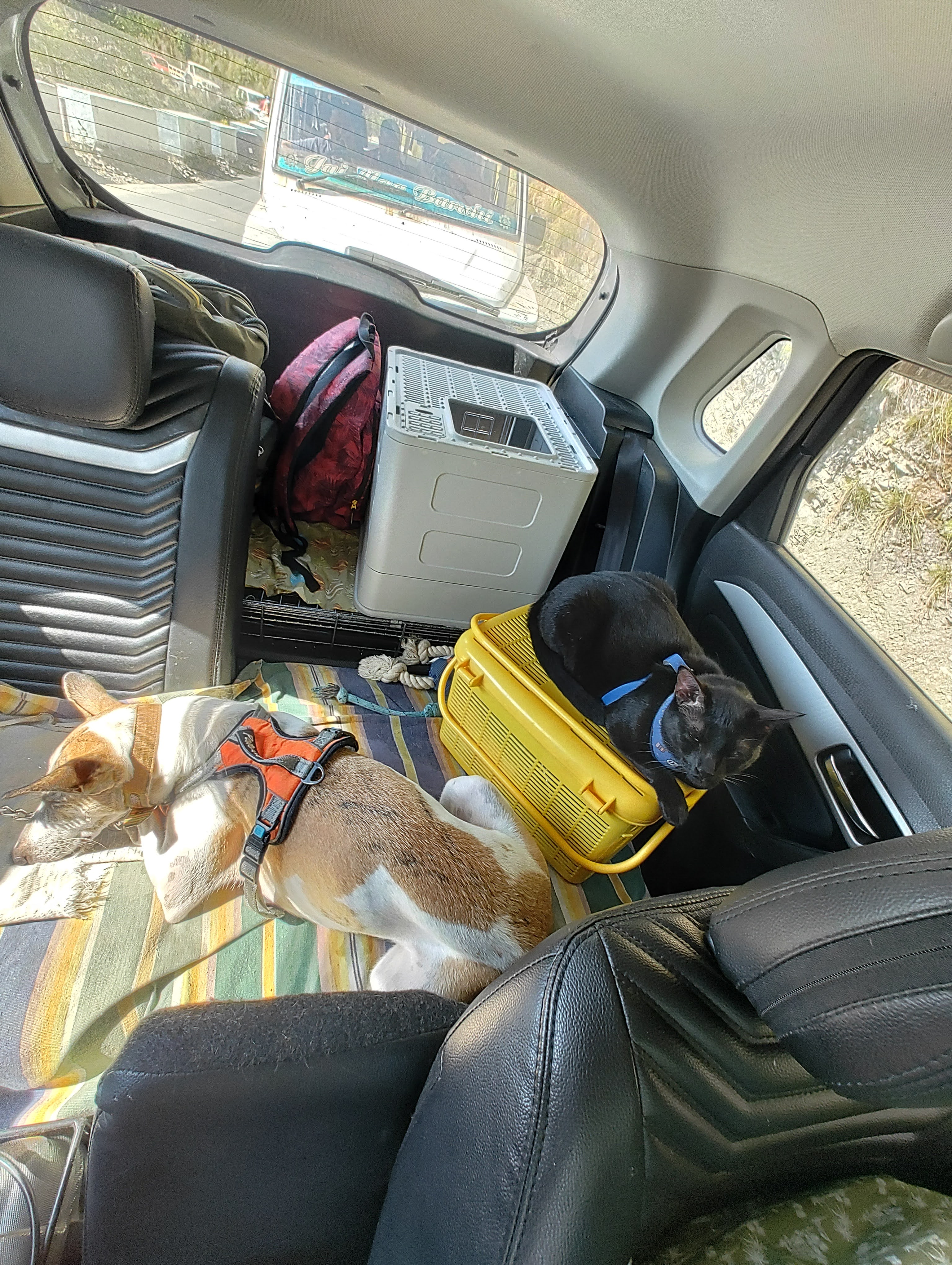
Life is what happens to you when all your plans take a vacation. God has blessed me with three beautiful babies. Both me and my husband are parents to Mishti (our female indie dog) and Loki (male) and Thor (female) our indie cat siblings. Mishti is the younger sibling to Loki and Thor. Throughout the thee years of being owned by these devilish marshmallows, we have undertaken several journeys together. Traveling with pets can be a rewarding experience, but it also requires careful planning and preparation to ensure a smooth and stress-free journey for both us and our furry companions.
Below, are some detailed tips and strategies to help make travelling with pets enjoyable and safe.
1. Pre-Trip Preparation
a. Health Check-Up:
- Vet Visit: Schedule a visit to the veterinarian to ensure your pet is healthy enough for travel. Update vaccinations, and obtain a health certificate if required, especially for air travel.
- Medication: Discuss any medications your pet may need, such as motion sickness pills or anxiety relief. Digyton syrup may be commonly used (after vet consultation) for stomach issue or digestion problems.
b. Travel Documentation:
- ID Tags and Microchip: Ensure your pet’s ID tags are up-to-date and consider microchipping for additional security.
- Travel Papers: Gather necessary documents like vaccination records, health certificates, and travel permits, if applicable.
c. Acclimatization:
- Travel Carrier: Introduce your pet to their travel carrier well in advance. Place treats and toys inside to create a positive association.
- Short Trips: Take your pet on short car rides to acclimate them to the experience and reduce anxiety.
d. Packing Essentials:
- Pet Travel Kit: Pack essentials like food, water, bowls, leashes, a first aid kit, waste bags, grooming supplies, and any medications.
- Comfort Items: Bring familiar items like blankets, toys, and bedding to provide comfort and reduce stress.

2. Choosing the Right Mode of Transportation
a. Car Travel:
- Safety Restraints: Use a pet seatbelt, carrier, or a pet barrier to keep your pet secure and prevent distractions.
- Frequent Breaks: Plan for regular stops for bathroom breaks, stretching, and hydration. Never leave your pet alone in a parked car due to temperature risks.
- Comfort: Ensure the car is well-ventilated, and avoid feeding your pet a large meal before the trip to prevent motion sickness.


b. Air Travel:
- Research Airlines: Choose a pet-friendly airline and review their pet travel policies, including size restrictions and carrier requirements.
- Carrier Requirements: Ensure the carrier is airline-approved, well-ventilated, and has enough room for your pet to stand and turn around.
- Cargo vs. Cabin: Smaller pets may be allowed in the cabin, while larger pets might need to travel in the cargo hold. Check the specific policies and consider the safety and comfort of your pet.
https://www.airindia.com/in/en/travel-information/first-time-flyers/carriage-of-pets.html
(I have not taken this route yet. However a quick google search will tell you a lot)
c. Train and Bus Travel:
- Policy Check: Verify if the transportation service allows pets and understand their regulations.
- Pet-Friendly Services: Some services offer designated areas or accommodations for pets. Confirm details before booking.
3. Accommodation and Destination Planning
a. Pet-Friendly Lodging:
- Research: Use pet-friendly travel websites to find accommodations that welcome pets and provide necessary amenities.
- Booking Confirmation: Confirm pet policies, any additional fees, and rules regarding pets on the property.
b. Destination Research:
- Local Laws: Familiarize yourself with pet-related regulations and restrictions at your destination, such as leash laws and pet restrictions in certain areas.
- Pet Services: Identify nearby veterinarians, pet stores, and emergency services in case of any issues during your stay.
c. Preparing for New Environments:
- Exploration: Gradually introduce your pet to the new environment to reduce anxiety. Allow them to explore and get comfortable in their new surroundings.
- Routine Maintenance: Maintain a familiar routine for feeding, exercise, and sleeping to provide a sense of normalcy.

4. Managing Pet Anxiety and Comfort
a. Anxiety Reduction Techniques:
- Calm Environment: Create a calm travel environment with familiar smells and objects. Use pheromone sprays or calming collars if needed.
- Distractions: Bring along favorite toys and chew treats to keep your pet occupied and distracted during the journey.
b. Hydration and Nutrition:
- Frequent Water Breaks: Keep your pet hydrated, especially on long trips or during hot weather. Offer water at regular intervals.
- Feeding Schedule: Maintain your pet’s usual feeding schedule but avoid large meals before travel to prevent motion sickness.
c. Handling Motion Sickness:
- Medication: Consult your vet about anti-nausea medication if your pet is prone to motion sickness.
- Ventilation: Ensure proper ventilation in the vehicle to keep your pet cool and reduce the risk of nausea.
- Wipes: Ensure to carry clean napkins, towels, bedsheets, old newspaper or tissues for emergencies if your pet vomits or has loose motions in the car.
5. Safety Tips During the Journey
a. Monitoring Temperature:
- Climate Control: Keep the travel environment temperature-controlled to avoid overheating or chilling your pet.
- Shaded Areas: When taking breaks, ensure your pet has access to shaded areas, especially during summer travel.
b. Secure Environment:
- Escape Prevention: Ensure carriers and crates are securely closed and pets are leashed when outside to prevent escapes.
- Emergency Kit: Carry a pet first aid kit with bandages, antiseptic, tweezers, and any necessary medications.
c. Communication:
- Contact Information: Keep your contact details updated on your pet’s ID tags and carrier in case of separation.
- Emergency Contacts: Have a list of emergency contacts, including local veterinarians and friends or family who can assist if needed.
6. Post-Travel Care
a. Health Check-Up:
- Vet Visit: Schedule a post-trip vet visit to check for any health issues that may have arisen during the journey.
- Hydration and Rest: Ensure your pet is well-hydrated and allow them to rest and recover from travel stress.
b. Comfort and Reassurance:
- Routine Re-Establishment: Reinstate your pet’s usual routine as soon as possible to help them feel secure and comfortable.
- Extra Attention: Provide extra attention and reassurance to help your pet adjust back to normal life and reduce post-travel anxiety.
Remember: By following these detailed tips and preparations, we can ensure that traveling with our pets is a positive and stress-free experience for both. With the right planning and care, our pets can become an excellent travel companion, and we can create memorable adventures together.
For more information on the above topic you can follow my favorite instagrammer: https://www.instagram.com/chaosinacoupe/?hl=en


Please send your valuable feedback