
“There is something deeply human about looking at the night sky and wondering whether it reflects something about us.”
Long before skyscrapers, smartphones, and electric lights drowned the stars, ancient civilizations studied the heavens with awe and curiosity. The Babylonians mapped constellations. The Greeks associated myths with celestial bodies. In India, Vedic astrologers developed intricate systems connecting planetary movements with human life and psychology.
Even today, astrology continues to fascinate millions of people worldwide. Some approach it spiritually, some psychologically, and others simply out of curiosity. Whether one believes astrology predicts destiny or merely acts as a symbolic language for understanding personality, the zodiac remains one of humanity’s oldest systems of self-reflection.
As psychologist Carl Jung once wrote:
“We are born at a given moment, in a given place, and like vintage years of wine, we have the qualities of the year and of the season in which we are born.”
This guide is not about convincing anyone that astrology is absolute truth. Instead, it is an invitation to understand the 12 zodiac signs as cultural symbols, personality archetypes, and tools for introspection.
Let us begin with the basics.
What Are Zodiac Signs?
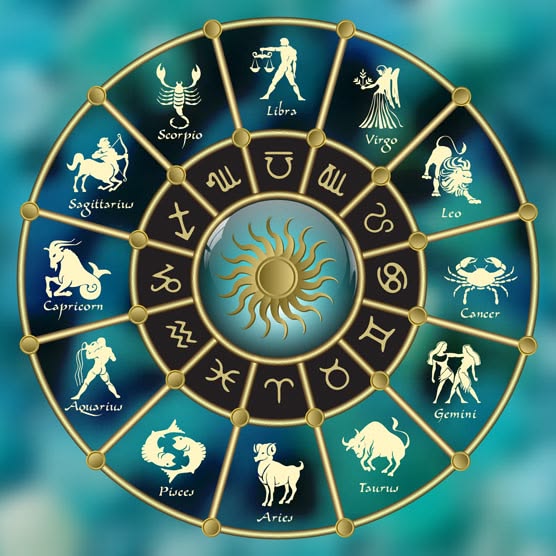
The zodiac is a belt of the sky divided into twelve sections, each associated with a constellation. In Western astrology, the Sun’s position at the time of birth determines a person’s “sun sign.”
The twelve zodiac signs are:
- Aries
- Taurus
- Gemini
- Cancer
- Leo
- Virgo
- Libra
- Scorpio
- Sagittarius
- Capricorn
- Aquarius
- Pisces
Each sign belongs to:
- an element (Fire, Earth, Air, Water)
- a modality (Cardinal, Fixed, Mutable)
- a ruling planet
Together, these create symbolic personality patterns.
Why Are People Drawn to Astrology?
A 2022 survey by the Pew Research Center found that astrology remains especially popular among younger adults. Researchers studying belief systems often note that astrology offers:
- emotional reassurance
- identity exploration
- narrative meaning
- symbolic structure
A study published in the journal Personality and Individual Differences discussed how people are naturally drawn to systems that help create coherence and self-understanding.
In uncertain times, humans often search for patterns.
Astrology provides one such symbolic framework.
Understanding the Four Elements
Before exploring each zodiac sign individually, it helps to understand the four astrological elements.
Fire Signs: Aries, Leo, Sagittarius
Fire signs are energetic, passionate, expressive, and action-oriented.
They tend to:
- act quickly
- inspire others
- seek excitement
- value freedom
However, they may also become impulsive or impatient.
Earth Signs: Taurus, Virgo, Capricorn
Earth signs are practical, grounded, disciplined, and reliable.
They value:
- stability
- consistency
- material security
- structure
They are often associated with realism and patience.
Air Signs: Gemini, Libra, Aquarius
Air signs are intellectual, communicative, curious, and socially oriented.
They enjoy:
- conversation
- ideas
- innovation
- learning
At times, they may overthink or detach emotionally.
Water Signs: Cancer, Scorpio, Pisces
Water signs are emotional, intuitive, empathetic, and deeply reflective.
They often:
- feel intensely
- value emotional bonds
- possess strong imagination
- absorb surrounding energy
They may also become emotionally overwhelmed.
A detailed dive into each zodiac sign:
Aries (March 21 – April 19): The Fearless Pioneer

Element: Fire
Ruling Planet: Mars
Aries is often considered the warrior of the zodiac.
People born under Aries are frequently described as:
- courageous
- energetic
- competitive
- spontaneous
An Aries friend is often the person saying: “Let’s just do it.”
They tend to jump into situations quickly, sometimes before thinking through consequences.
Strengths
- leadership
- confidence
- enthusiasm
- resilience
Challenges
- impatience
- impulsiveness
- short temper
Real-Life Example
Imagine someone who books a solo trip within ten minutes of getting an idea. That impulsive courage reflects classic Aries energy.
Taurus (April 20 – May 20): The Grounded Builder

Element: Earth
Ruling Planet: Venus
Taurus values comfort, beauty, security, and stability.
These individuals often appreciate:
- good food
- music
- nature
- financial security
- routine
Taurus personalities are usually dependable and calm under pressure.
Strengths
- patience
- loyalty
- persistence
- emotional steadiness
Challenges
- stubbornness
- resistance to change
- possessiveness
A Taurus may not make quick decisions, but once committed, they rarely abandon their path.
Gemini (May 21 – June 20): The Curious Communicator

Element: Air
Ruling Planet: Mercury
Gemini is associated with communication, curiosity, and adaptability.
Geminis are often:
- witty
- talkative
- intellectually restless
- versatile
They tend to thrive in environments involving:
- ideas
- storytelling
- networking
- learning
Strengths
- intelligence
- adaptability
- humor
- social charm
Challenges
- inconsistency
- distraction
- overthinking
Geminis are sometimes unfairly called “two-faced,” but in reality, many simply possess multifaceted personalities.
Cancer (June 21 – July 22): The Emotional Caregiver

Element: Water
Ruling Planet: Moon
Cancer is deeply connected to emotional security, home, and nurturing.
Cancer individuals often:
- remember small details
- care deeply for loved ones
- value emotional safety
- appear soft but emotionally resilient
Strengths
- empathy
- loyalty
- intuition
- protectiveness
Challenges
- moodiness
- emotional sensitivity
- withdrawal
A Cancer personality may appear quiet initially, but once emotionally safe, they become incredibly warm and supportive.
Leo (July 23 – August 22): The Radiant Performer

Element: Fire
Ruling Planet: Sun
Leo is associated with confidence, creativity, and self-expression.
Leos often enjoy:
- recognition
- creativity
- leadership
- celebration
However, beneath their dramatic exterior is usually a strong desire to feel valued and appreciated.
Strengths
- generosity
- charisma
- creativity
- courage
Challenges
- pride
- attention-seeking
- stubbornness
Leos often bring warmth and energy into social spaces.
Virgo (August 23 – September 22): The Thoughtful Analyst

Element: Earth
Ruling Planet: Mercury
Virgo is analytical, detail-oriented, and service-driven.
Virgos tend to notice:
- inefficiencies
- inconsistencies
- practical problems
They often express care through acts of service rather than dramatic emotional displays.
Strengths
- intelligence
- organization
- reliability
- practicality
Challenges
- perfectionism
- self-criticism
- anxiety
Virgos are often misunderstood as “cold,” but many simply process emotions logically.
Libra (September 23 – October 22): The Harmonizer

Element: Air
Ruling Planet: Venus
Libra seeks balance, beauty, fairness, and connection.
Libras are usually:
- diplomatic
- socially aware
- aesthetically inclined
- relationship-oriented
Strengths
- charm
- fairness
- communication
- cooperation
Challenges
- indecisiveness
- people-pleasing
- conflict avoidance
Libra personalities often dislike harsh environments and naturally try to restore harmony.
Scorpio (October 23 – November 21): The Intense Transformer

Element: Water
Ruling Planet: Mars (Co-ruler: Ketu; a shadow planet)
Scorpio is one of the most misunderstood zodiac signs.
Contrary to stereotypes, many Scorpios are not “dark” or manipulative. Instead, they often experience emotions with extraordinary depth.
Strengths
- emotional intensity
- loyalty
- determination
- psychological insight
Challenges
- secrecy
- distrust
- possessiveness
Scorpio personalities are often drawn toward transformation, healing, and understanding hidden truths.
Sagittarius (November 22 – December 21): The Adventurous Philosopher

Element: Fire
Ruling Planet: Jupiter
Sagittarius is associated with exploration, learning, travel, and philosophical thinking.
These individuals often seek:
- freedom
- meaning
- adventure
- new experiences
Strengths
- optimism
- honesty
- curiosity
- enthusiasm
Challenges
- bluntness
- restlessness
- inconsistency
Sagittarius energy thrives when life feels expansive rather than restrictive.
Capricorn (December 22 – January 19): The Disciplined Achiever

Element: Earth
Ruling Planet: Saturn
Capricorn is often associated with ambition, maturity, and responsibility.
Capricorns usually:
- think long-term
- value hard work
- prefer stability
- take commitments seriously
Strengths
- discipline
- patience
- reliability
- strategic thinking
Challenges
- emotional suppression
- workaholism
- pessimism
Capricorns are often far more emotionally sensitive than they appear externally.
Aquarius (January 20 – February 18): The Visionary Rebel

Element: Air
Ruling Planet: Saturn (Co-ruler: Rahu; a shadow planet)
Aquarius values originality, ideas, and collective progress.
Aquarians are often:
- unconventional
- independent
- humanitarian
- intellectually driven
Strengths
- innovation
- open-mindedness
- originality
- social awareness
Challenges
- emotional detachment
- unpredictability
- stubborn independence
Aquarius personalities often feel different from others early in life.
Pisces (February 19 – March 20): The Dreamer and Empath

Element: Water
Ruling Planet: Jupiter
Pisces is associated with imagination, spirituality, compassion, and emotional depth.
Pisces individuals often possess:
- artistic sensitivity
- intuition
- empathy
- creativity
Strengths
- compassion
- imagination
- emotional intelligence
- adaptability
Challenges
- escapism
- emotional overwhelm
- blurred boundaries
Pisces energy is deeply connected with creativity, symbolism, and emotional perception.
Can Astrology Be Scientific?
This question remains highly debated.
Modern science has not found consistent evidence proving astrology can accurately predict personality or life events in controlled experimental settings.
For example, psychologist Shawn Carlson published a famous double-blind astrology experiment in Nature (1985), concluding that astrologers performed no better than chance under controlled conditions.
However, psychology researchers have explored why astrology feels personally meaningful.
The “Barnum Effect,” described by psychologist Bertram Forer, explains how people often identify strongly with broad personality descriptions.
At the same time, some therapists and Jungian psychologists argue that astrology functions symbolically rather than literally — similar to mythology, archetypes, or storytelling frameworks.
Whether viewed scientifically, spiritually, culturally, or psychologically, astrology continues to endure because it speaks to a deeply human desire:
the desire to understand ourselves.
Astrology as a Tool for Self-Reflection
Astrology becomes healthier and more meaningful when used:
- for introspection
- for emotional awareness
- for understanding patterns
- for reflection rather than fatalism
Problems arise when astrology is treated as absolute destiny or used to avoid accountability.
No zodiac sign is entirely good or bad.
Every sign contains:
- strengths
- weaknesses
- growth potential
- emotional complexity
Human beings are always more nuanced than sun signs alone.
Final Thoughts
Perhaps the enduring appeal of astrology lies not in certainty, but in symbolism.
The zodiac gives people metaphors for understanding personality, emotions, fears, desires, and relationships. It transforms the night sky into a language of stories and archetypes.
Whether you fully believe in astrology or simply enjoy exploring it, the zodiac can encourage curiosity about human nature — and sometimes, curiosity itself is valuable.
As astronomer Carl Sagan once said:
“We are made of star stuff.”
Maybe that is why humans keep looking upward.
Suggested Scientific & Research References
- Carlson, S. (1985). A double-blind test of astrology. Nature, 318, 419–425.
- Forer, B. R. (1949). The fallacy of personal validation. Journal of Abnormal Psychology.
- Jung, C. G. (1952). Synchronicity: An Acausal Connecting Principle.
- Pew Research Center (2022). Spirituality Among Younger Adults.
- Dean, G., & Kelly, I. W. (2003). Is Astrology Relevant to Consciousness and Psi? Journal of Consciousness Studies.

Please send your valuable feedback