
Mughal
-
Agra Fort: Unveiling India’s Historical Gem
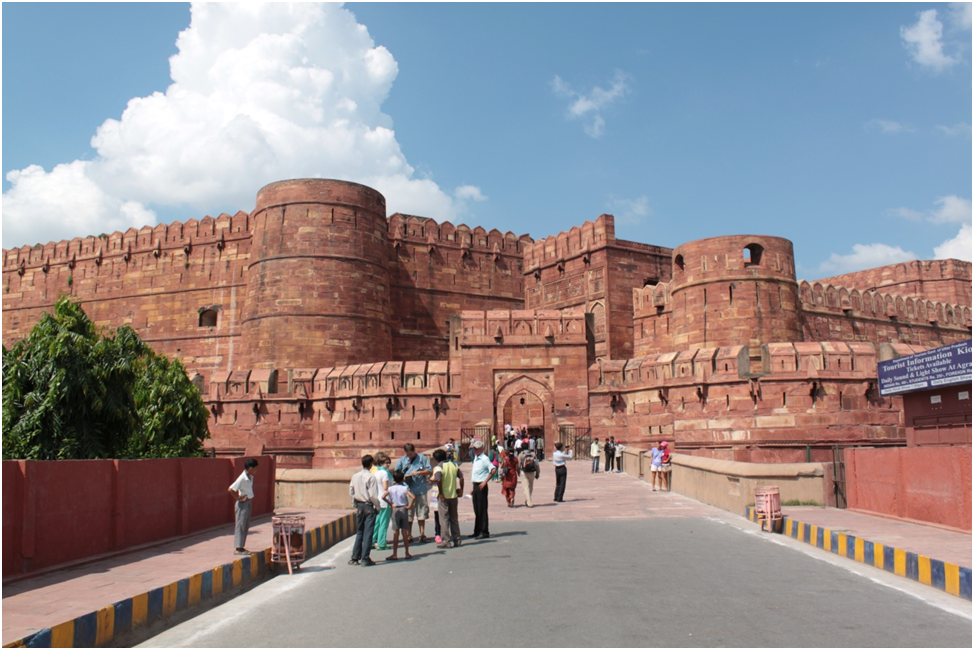
Agra Fort is a UNESCO World Heritage Site, exemplifying Mughal architecture and history. It symbolizes India’s rich past, showcasing intricate designs, vast courtyards, and the legacy of various emperors. Despite being overshadowed by the Taj Mahal, Agra Fort remains a significant cultural and historical attraction, revealing the grandeur of the Mughal Empire. Continue reading
-
Itimad-ud-daula: The Mughal Jewel Box in Agra
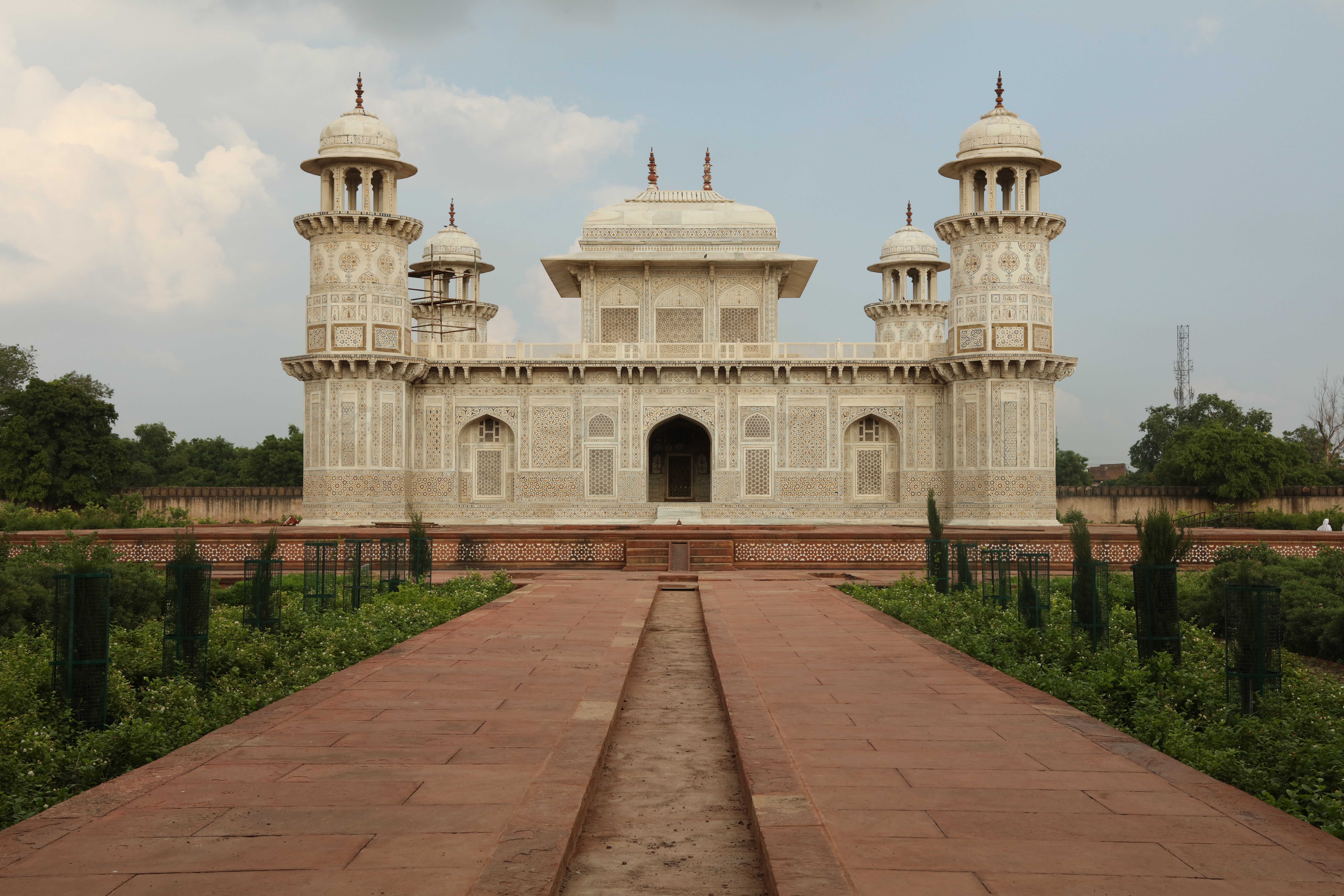
Agra’s Itimad-ud-Daulah’s Tomb, known as the “Baby Taj,” represents a pinnacle of Mughal architecture, blending Persian and Indian craftsmanship. Built by Nur Jehan in memory of her father, it features white marble, intricate inlay work, and beautiful gardens. The tomb reflects both love and political influence, evoking a unique historical significance. Continue reading
-
Exploring Mariam’s Tomb: A Hidden Gem in Agra

Mariam’s Tomb in Agra, dedicated to Mariam-uz-Zamani, the Rajput wife of Emperor Akbar, showcases exquisite Mughal architecture. Built mainly from red sandstone, it features intricate carvings and a unique domeless design. It’s an essential stop for history enthusiasts. Continue reading
-
Mehtab Bagh: Agra’s Moonlit Garden of Mughal Grandeur

Mehtab Bagh, the “Moonlight Garden” in Agra, offers stunning views of the Taj Mahal and reflects Mughal architectural elegance. A UNESCO World Heritage site, it was commissioned by Emperor Babur and features a classic charbagh layout with symmetry and water features. Continue reading
-
Discovering Ram Bagh: A Mughal Garden Gem in Agra
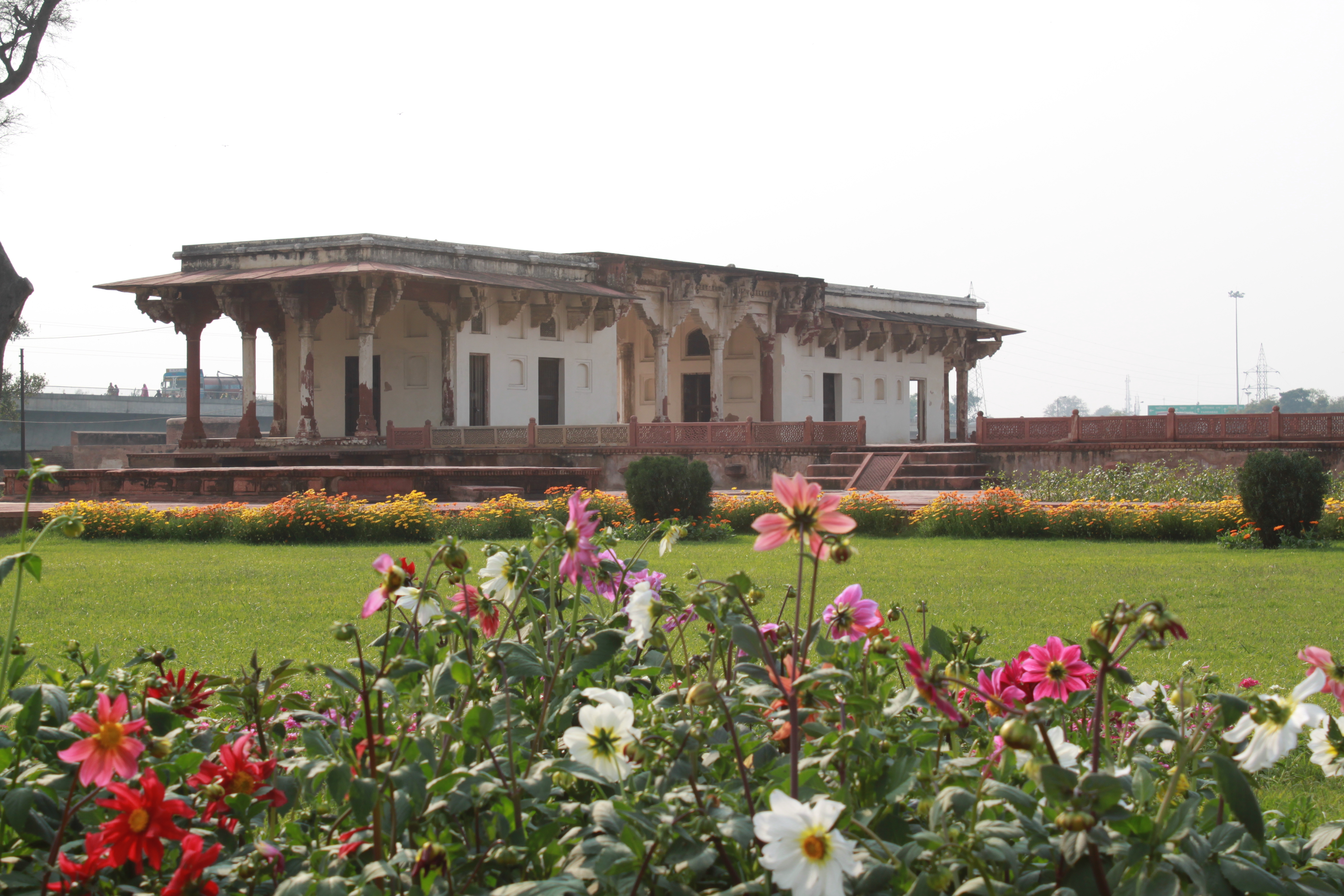
Ram Bagh, the oldest Mughal garden in India, was created by Babur in 1528 to reflect Persian paradise concepts. Its unique Charbagh layout features water channels, greenery, and intricate Mughal architecture. Renovated by Jahangir, it exemplifies a blend of cultural influences and serves as a historical and aesthetic landmark in Agra. Continue reading