
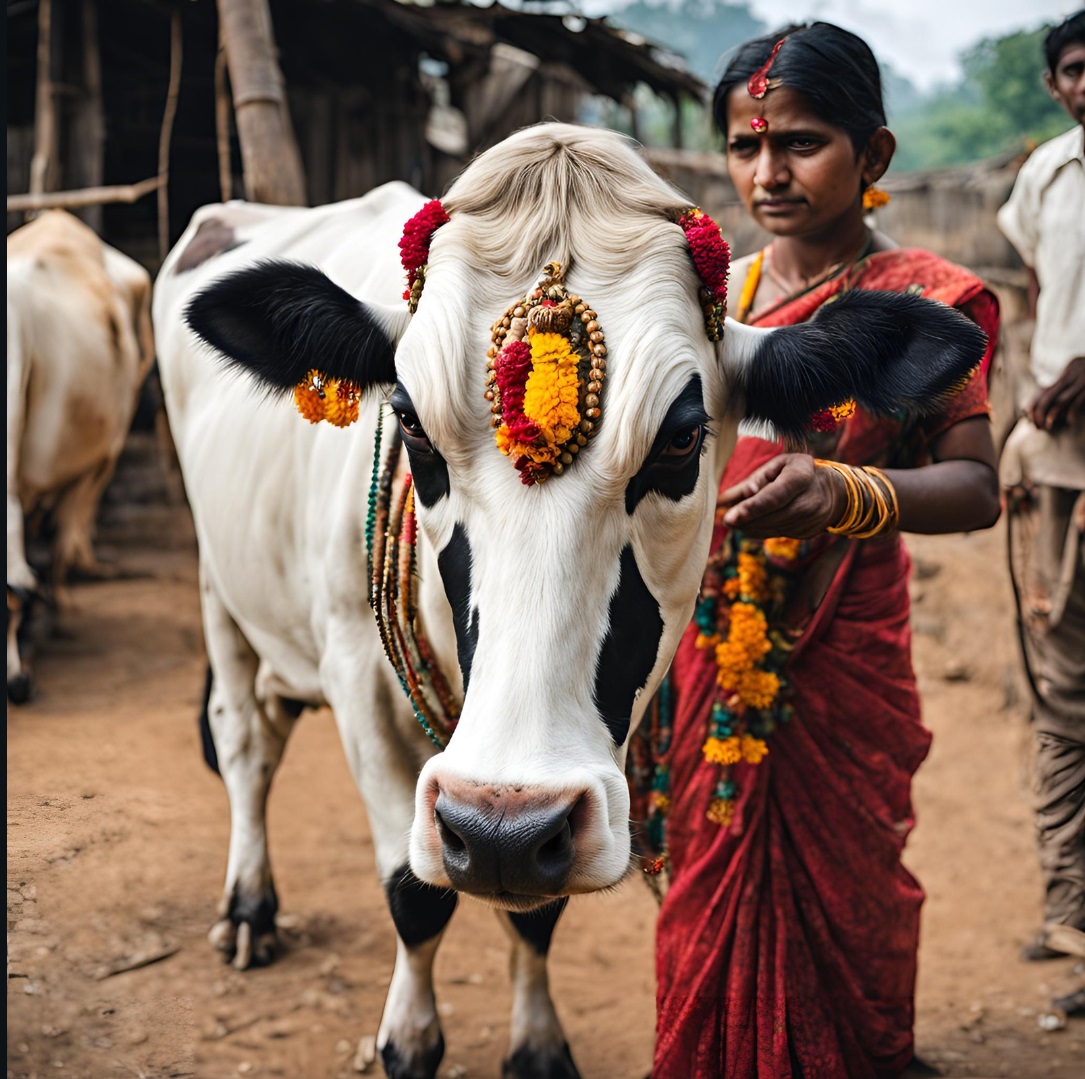
Cultural attitudes towards pets in India are diverse and multifaceted, reflecting a rich tapestry of traditions, religions, and modern influences.
Historical and Religious Influences
1. Hinduism: Certain animals like cows, monkeys, and elephants hold sacred status. For example, cows are revered and protected due to their association with deities like Krishna, Kamadhenu, etc. Monkeys are linked to Hanuman, and elephants are associated with Ganesha. Dogs are often seen as guardians and are associated with deities like Bhairava. Cats are associated with goddess of fertility Shashthi. There is a certain aversion to owning pigs, rats, scorpions, snakes, grasshoppers and other animals as pets due to hygiene and aesthetic values. In recent times we can also observe an aversion to adopting indie dogs and cats as pets. A certain breed mentality is taking over the minds of people owing to the growing fad for foreign origin breeds / objects.

Dogs often seen as guardians and associated with Bhairava

Goddess Shashthi in a temple near Bagbazar, Kolkata.
2. Islam: Dogs are traditionally viewed with some caution in Islamic culture, as they are considered impure. However, keeping them for protection or as working animals is acceptable. Cats, on the other hand, are well-regarded and often kept as pets. However, even in this community we can commonly see breed mentality taking over the minds of people owing to growing fad for foreign origin breeds like Persian cats.

Persian cat
3. Buddhism and Jainism: Both religions emphasize non-violence and compassion towards all living beings, leading to a respectful attitude towards pets and animals in general. Due to religious beliefs a certain aversion to owning cats as pets (due to their carnivorous diet) and also feeding adequate high protein meat based diet to dogs can be observed.
4. Sikhism: Sikhism encourages respect for all forms of life, and while pets are not specifically mentioned in the religious texts, kindness towards animals is encouraged. Even in this case we can observe a fancy for foreign breed pets.
5. Tribal and Regional Practices: Many indigenous and tribal communities have their own unique relationships with animals, often involving reverence for nature and animals as integral parts of their culture and mythology.
Modern Urban Attitudes
1. Growing Pet Culture: In urban areas, there has been a significant increase in pet ownership, particularly of dogs and cats. This trend is driven by the influence of Western lifestyles, growing disposable incomes, and an expanding middle class. Pets are often seen as companions and are considered part of the family. The pet care industry, including veterinary services, pet grooming, and specialized pet products, has also grown substantially.
2. Animal Welfare and Adoption: There is a rising awareness and advocacy for animal welfare, leading to increased adoption of stray animals. Many NGOs and animal shelters actively promote the adoption of stray dogs and cats, helping to shift attitudes from seeing these animals as nuisances to valued companions.
3. Diverse Preferences: Preferences for pets vary widely. While dogs and cats are popular in urban settings, birds, fish, and even more exotic animals like rabbits and guinea pigs are also kept as pets. In rural areas, animals like cows, buffaloes, and goats are often kept for their utility in agriculture and dairy, but they may also be considered part of the family.
Societal and Ethical Considerations
1. Stray Animal Issues: India has a significant population of stray dogs and cats, especially in urban areas. While some people view these animals with compassion and provide them with food and care, others see them as a nuisance, leading to issues of animal control and welfare.
2. Animal Cruelty and Welfare: There are laws in place to protect animals, but enforcement can be inconsistent. Awareness campaigns and stricter regulations are being pushed to improve the treatment of pets and stray animals.
3. Cultural Resistance and Acceptance: In some traditional and rural settings, keeping pets like dogs inside the home might be frowned upon due to concerns over cleanliness and traditional beliefs. There is also a certain doubt as to the usefulness of dogs and cats as pets over cows, goats and sheeps. Owing to the expenses and care required for dogs and cats (sensitive pets as compared to milch animals) as they cannot be kept outside in sherds and pens, many families in rural areas question the resourcefulness of these animals and mostly consider them as fancies of the urban people. However, attitudes are gradually changing with increased exposure to different cultures and the influence of younger generations.
Festivals and Cultural Celebrations
1. Animals in Festivals: Certain festivals in India involve the worship or celebration of animals. For example, during the Tihar festival in Nepal and parts of India, dogs are worshipped and adorned with garlands. Pongal and Makar Sankranti involve rituals that honor cattle and other animals.
2. Cultural Symbols: Animals like peacocks, elephants, and tigers are often celebrated as cultural symbols and are featured in various art forms, festivals, and traditional practices.
In summary, the cultural attitudes towards pets in India are influenced by a mix of traditional values, religious beliefs, and modern lifestyles. While there is a growing trend towards pet ownership and better treatment of animals, traditional views and challenges related to stray animals and animal welfare still persist. The landscape is dynamic, reflecting the broader changes occurring in Indian society.
Adopting Pets


The attitude towards pet adoption in India has evolved significantly over recent years, driven by increased awareness, changing social dynamics, and the efforts of various animal welfare organizations. Here’s a comprehensive look at the current attitudes and trends related to pet adoption in India:
- Growing Awareness and Acceptance
1. Rise in Awareness: There has been a notable increase in awareness about the benefits of adopting pets, particularly through campaigns led by NGOs, animal rights activists, and social media influencers. These campaigns emphasize the importance of giving stray animals a home and the ethical considerations of adoption over buying pets.
2. Changing Perceptions: Traditionally, many Indians preferred pedigree animals for their status and perceived purity. However, this perception is shifting, with a growing number of people now recognizing the virtues of adopting Indian breeds and mixed-breed animals.
3. Educational Efforts: Animal welfare organizations have been successful in educating the public about the plight of stray animals and the importance of reducing the population of strays through adoption rather than euthanasia or neglect.
- Influence of Animal Welfare Organizations
1. Active NGOs and Shelters: Organizations like PETA India, Blue Cross of India, and local animal shelters play a significant role in promoting pet adoption. They provide platforms for people to adopt pets, offer free or subsidized veterinary services, and conduct adoption drives.
2. Adoption Campaigns: Regular adoption drives and events in major cities help increase the visibility of adoptable animals and make it easier for people to adopt. These events often include health check-ups and sterilization services, making adoption more accessible and appealing.
3. Celebrity Endorsements: Many Indian celebrities and public figures actively promote pet adoption, influencing public opinion and encouraging fans to consider adopting pets. Their involvement helps to popularize the cause and reduce the stigma associated with stray animals.
- Shift in Urban Attitudes
1. Urbanization and Lifestyle Changes: As more people move to urban areas, the close quarters and community living foster a growing appreciation for the companionship that pets provide. This has contributed to a more favorable attitude towards pet adoption among urban populations.
2. Influence of Western Practices: Exposure to Western culture and practices, where adoption is a common and respected way to acquire pets, has influenced attitudes in Indian cities. There is a growing recognition that adopted pets can be as loving and loyal as any other.
- Challenges and Barriers
1. Cultural and Social Resistance: In some rural and traditional settings, there is still a preference for buying pedigreed animals over adopting strays. This is often tied to perceptions of status and cleanliness.
2. Stray Animal Population: The sheer number of stray animals in India presents a challenge. Many people still see strays as a nuisance, and the transition to seeing them as potential pets requires a cultural shift that takes time.
3. Lack of Infrastructure: Inadequate infrastructure for animal welfare, including insufficient numbers of shelters and lack of access to veterinary care, can hinder the adoption process. Potential adopters may be deterred by the perceived difficulty of caring for a stray animal.
- Economic Considerations
1. Affordability: Adopting a pet, especially a stray, is often more affordable than purchasing a pedigreed animal, making it an attractive option for many. However, the cost of caring for a pet, including food and medical expenses, remains a concern for some.
2. Economic Incentives: Some NGOs and local governments provide financial incentives or subsidies for adopting and caring for stray animals, helping to mitigate some of the economic barriers.


- Positive Trends and Future Outlook
1. Increased Adoption Rates: The rates of pet adoption, particularly of stray animals, have been steadily increasing in urban centers. More people are willing to adopt animals from the streets or shelters, reflecting a positive trend towards responsible pet ownership.
2. Policy and Legal Support: The Indian government and local municipalities are increasingly supportive of pet adoption through policies and initiatives aimed at animal welfare. Stricter laws against animal cruelty and more support for sterilization programs are part of this trend.
3. Community Engagement: Communities and neighborhoods are increasingly organizing to support stray animals, providing food, medical care, and facilitating adoption. This grassroots support is crucial for changing attitudes and improving the welfare of stray animals.
In Summary, the attitude towards pet adoption in India is becoming more positive, driven by a combination of increased awareness, advocacy by animal welfare organizations, and changing cultural perceptions. While challenges remain, particularly in traditional and rural areas, the trend in urban centers is towards greater acceptance and practice of pet adoption. This evolving attitude bodes well for the future of animal welfare in India, signaling a more compassionate and responsible approach to caring for animals.
“The greatness of a nation and its moral progress can be judged by the way its animals are treated.”
M. K. Gandhi
Here are some link for further reading:
- India Today: Rise in Pet Adoption
- The Hindu: Changing Attitudes Towards Pet Adoption
- PETA India: Adoption Campaigns
- Times of India: Pet Adoption Trends


Leave a Reply to Rescue puppy from shelterCancel reply