
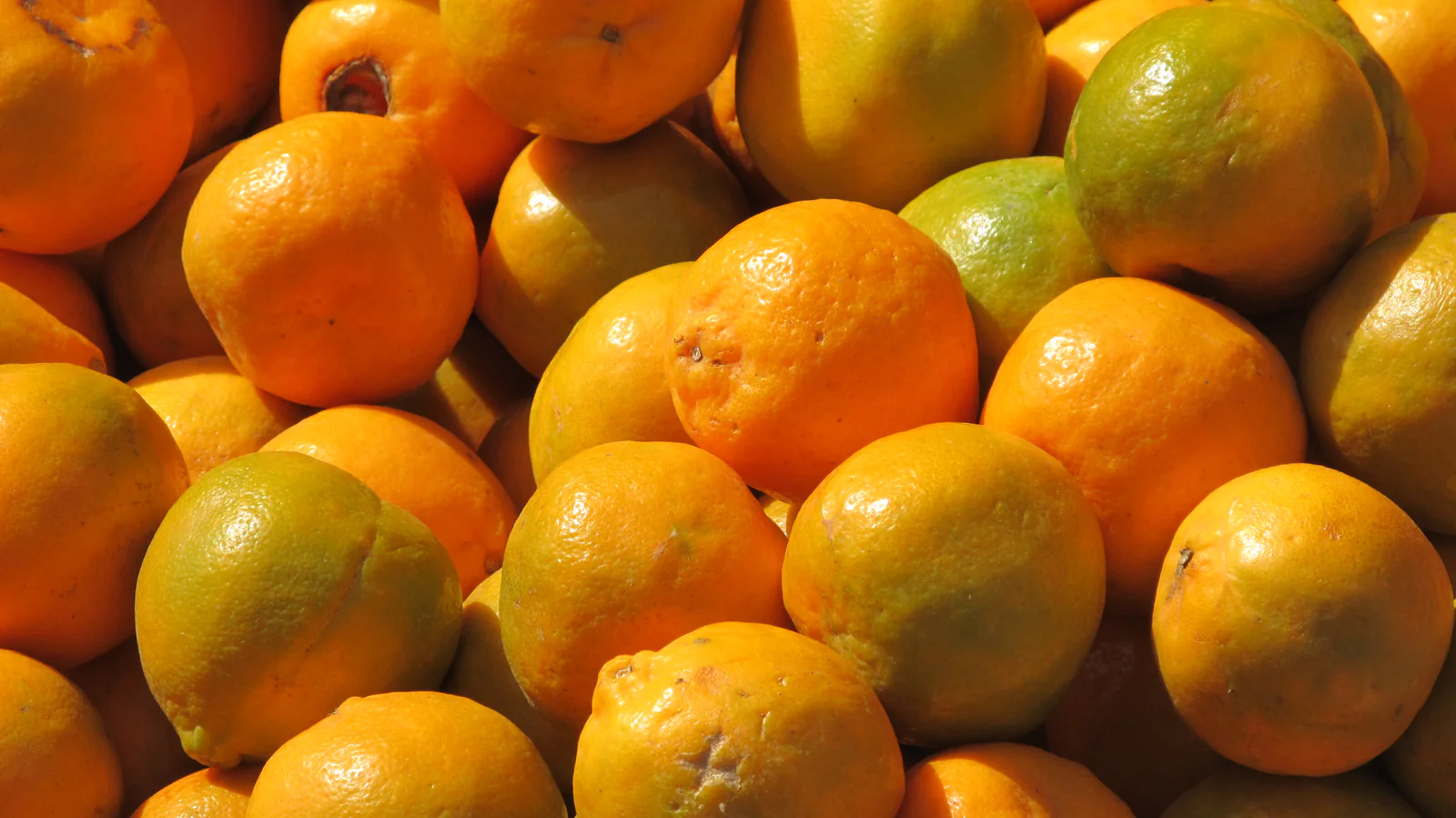
Nagpur, the heart of India, is a city that embodies the essence of Maharashtra, offering a unique blend of cultural heritage, tradition, and modernity. Known for its historical significance, delectable oranges, and vibrant festivals, Nagpur provides visitors with a variety of cultural experiences. Whether you are a history buff, a food lover, or seeking spiritual enrichment, Nagpur has something to offer. Also known as the “Orange City,” Nagpur is a cultural melting pot located at the geographic center of India, offering ancient traditions, rich history, and modern amenities for an immersive cultural experience.
After spending 20 years in Nagpur, here’s my take on “Cultural Experiences You Shouldn’t Miss in Nagpur“.
1. Discovering Historical Treasures
Mansar: An Archaeological Site

Mansar is situated near Ramtek, 45 km northeast of Nagpur. It is an archaeological site having ancient Buddhist monastery and cells dating to 5th century. It was associated with the ancient city of Pravarapura, which was the capital of the Vakataka dynasty during the 4th and 5th centuries CE. Various artifacts, such as pottery, coins, sculptures and inscriptions have been discovered.
Senior Bhonsle palace of Nagpur

A old palace known as ‘मोठा राजवाडा’ ( meaning BIG PALACE ) which is still home for Royal Bhonsle family. It has private museum display which exhibits Royal History of Maratha Empire.
Deekshabhoomi: A Symbol of Social Transformation

“Faith is the bird that feels the light when the dawn is still dark” – Rabindranath Tagore
Deekshabhoomi is a sacred monument for Buddhists and a symbol of social change in India. It marks the site where Dr. B.R. Ambedkar, the principal architect of the Indian Constitution, embraced Buddhism along with his followers on October 14, 1956. The monumental stupa at Deekshabhoomi, inspired by the Sanchi Stupa, stands as a testament to Ambedkar’s fight against social discrimination and his vision for equality. Visiting Deekshabhoomi offers a profound experience of peace and reflection on India’s journey towards social justice.
Nagpur Central Museum: A Walk Through History

Nagpur Central Museum, also known as Ajab Bangla, is a treasure trove of artifacts that narrate the region’s rich history. Established in 1863, the museum houses an extensive collection of ancient coins, sculptures, fossils, and tribal artifacts. Each exhibit provides a glimpse into the cultural and historical evolution of Nagpur and its surrounding areas. For history enthusiasts, a visit to this museum is a must.
Sitabuldi Fort: Witness to Historical Battles

Located in the heart of Nagpur, Sitabuldi Fort has a storied past dating back to the early 19th century. Built by Appa Sahib, the fort played a significant role during the Battle of Sitabuldi in 1817 between the British and the Marathas. Today, the fort is managed by the Indian Army and is open to the public during certain times of the year. Exploring Sitabuldi Fort offers insights into Nagpur’s military history and provides panoramic views of the city.
Old High Court Building, Nagpur

The Old High Court Building (Kacheri) was built in 1891. It has been declared a monument of national importance and protected by Archaeological Survey of India in 2018. It is a must visit for understanding the colonial past of Nagpur.
Zero Mile Stone (Nagpur)

It is a monument built by the British during the Great Trigonometrical Survey of India in 1907 in Nagpur. The Zero Mile Stone consists of a pillar made up of sandstone and another small stone representing the GTS Standard Bench Mark, and four stucco horses that were added later.
2. Embracing Spirituality and Religion
Ramtek Fort Temple: A Journey to Divine Peace


“God is to be worshipped as the one beloved, dearer than everything in this and next life” – Swami Vivekananda
Ramtek, situated around 50 km from Nagpur, is a town steeped in history and mythology. Ramtek Fort Temple, perched on a hilltop, is a revered pilgrimage site dedicated to Lord Rama. According to legend, Lord Rama, along with Sita and Lakshmana, rested here during their exile. The temple complex, surrounded by serene landscapes, offers a tranquil atmosphere for meditation and prayer. The scenic views from the hilltop add to the spiritual experience.
Shri Ganesh Tekdi Temple: A Spiritual Haven

Located near the Nagpur Railway Station, the Shri Ganesh Tekdi Temple is one of the oldest and most significant temples in Nagpur. Dedicated to Lord Ganesha, the temple attracts devotees from all over India. The peaceful ambiance and the sight of devotees offering prayers create a spiritually uplifting experience. The temple’s hilltop location provides a panoramic view of the city, adding to its charm.
Shiv Mandir at Telangkhedi, Nagpur

The 239 years old Kalyaneshwar Shiv Mandir at Telangkhedi is one of the proud historical monuments of Nagpur. It was constructed by Raje Raghuji Bhosale (II) in 1785. The day at Kalyaneshwar Mandir starts by offering prayers to the idol of Lord Shiva, which is the routine tradition followed from the times of Raghuji Maharaj. The tranquil surroundings, well-maintained gardens, and serene atmosphere make it an ideal place for meditation and relaxation.
Laxmi-Narayan Mandir, Mahal


Laxmi-Narayan Mandir, situated in Mahal area, is also known as Munshi Mandir. This is the ancient temple built in the period of Raghuji Raje Bhonsale (II). The temple has a parkot surrounding. The temple structure is rectangular. The design has Grabhagruha, Antaral, Ardha Pandap and Sabha Mandap. The temple is facing east and Antaral is rectangular in shape. The entrance of ‘Garbhagruha’ is simple with Ganesh idol on its head and two dwarpals on both sides. The ‘Garbhagruha’ is square in shape measuring 3×3 meters and a beautiful idol of Laxmi-Narayan is placed on 1.25 meters high bhadrapeeth.” The carvings on the outer side of the temple are very attractive and more spectacular than other ancient temples in city.
Opposite Sabha Mandap of the temple a small temple of ‘Garuda’ is seen. The peak of this small garuda temple is spherical and has an impact of Dravadian style of architecture. The epitome of the temple consists of Shala and Kut. In the place of Amalak, a spherical dome shaped structure with Padam and Kalash are seen. Many idols are broken and many devkoshtha are empty.
The Ambhora Shiv Temple

The Ambhora Temple is considered to be one of the oldest Shiv temples in Nagpur district. The five rivers namely Wainganga, Kanhan, Aam, Kolari and Murza meet at this place. It is located at around 65 km from Nagpur city. The premises houses the famous Chaitanyesvara Temple dedicated to Lord Shiva. The small but beautiful temple is noted for a red spiral structure and swayambhu (self originated) Shivling. The shrine is located in a scenic spot.
Adasa Ganesha Temple

It is located at a distance of 43 km from Nagpur. Adasa is famous for its magnificent temples. The most popular among these is the Adasa Ganesh Temple, one of the eight ashtavinayaks in Maharashtra’s Vidarbha region, dedicated to Lord Ganesha. The shrine is perched atop a tiny hillock and can be reached via trekking or climbing around 50 stairs. The main temple houses an idol of Lord Ganesha, which stands at a height of 11 ft and has been carved out of a single stone. There are around 20 small temples spread around an area of 10 hectare within the premises of the temple.
3. Savoring Local Cuisine
Saoji Cuisine: A Fiery Delight

“Savoring the flavors of a region is like experiencing its soul” – Anonymous
Nagpur is renowned for its spicy and flavorful Saoji cuisine, which originates from the Saoji community. The cuisine is characterized by its rich spices and fiery taste. Some must-try Saoji dishes include Saoji chicken, mutton, and fish. Restaurants like Jagdish Saoji Bhojanalaya and Vykunthe Saoji offer authentic Saoji meals that are sure to tantalize your taste buds.
Nagpur Oranges: The Pride of the City

No visit to Nagpur is complete without indulging in its famous oranges. Known as the “Orange City,” Nagpur produces some of the finest oranges in India. These juicy and sweet oranges are a delight to eat and are used in various local dishes and beverages. Don’t miss out on trying the refreshing orange barfi and orange juice while you’re in the city.
Tarri Poha: A Breakfast Favorite

Tarri Poha is a popular breakfast dish in Nagpur. It consists of flattened rice (poha) cooked with spices and topped with a spicy and tangy gravy called tarri. This flavorful dish is garnished with sev, onions, and coriander, making it a perfect start to your day. Local eateries and street vendors serve delicious Tarri Poha that you must try.
4. Engaging in Festivals and Events
Ganesh Chaturthi: A Grand Celebration

Ganesh Chaturthi is one of the most widely celebrated festivals in Nagpur. The city comes alive with vibrant decorations, music, and dance during this ten-day festival dedicated to Lord Ganesha. Local communities set up beautifully decorated pandals (temporary structures) where idols of Lord Ganesha are worshipped. The immersion procession, where the idols are taken to be immersed in water, is a spectacular sight and a highlight of the festival.
Kalidas Festival: A Celebration of Art and Culture
“Festivals are a time to play the songs people know and are looking forward to hearing” – Scott Weiland
Named after the legendary Sanskrit poet Kalidasa, the Kalidas Festival is an annual cultural extravaganza held in Nagpur. The festival showcases classical music, dance performances, and theatrical presentations, attracting artists and performers from across the country. It is a celebration of India’s rich artistic heritage and offers visitors an opportunity to witness some of the finest talents in the country.
Makar Sankranti: Kite Flying Extravaganza

Makar Sankranti is a harvest festival celebrated with great enthusiasm in Nagpur. One of the main attractions of the festival is kite flying. The sky is filled with colorful kites, and the atmosphere is festive with music, dance, and traditional sweets like tilgul (sesame and jaggery sweets) being distributed. Participating in the kite flying festivities offers a unique and joyful cultural experience.
5. Exploring Natural Beauty
Telangkhedi Lake, Nagpur

“Look deep into nature, and then you will understand everything better” – Albert Einstein
Telangkhedi Lake, also known as Futala Lake, is one of Nagpur’s most cherished landmarks. This picturesque lake offers a serene escape from the urban hustle and bustle, making it a popular destination for both locals and tourists. With its tranquil waters, lush surroundings, and a variety of recreational activities, Telangkhedi Lake is a must-visit spot for anyone seeking relaxation and natural beauty in Nagpur.
Telangkhedi Lake has a rich history dating back to the early 19th century. It was constructed during the reign of the Bhonsle dynasty, under the patronage of Raja Raghuji Bhonsle II to meet the water needs of the region.
Ambazari Lake and Garden: A Tranquil Retreat

“Nature always wears the colors of the spirit” – Ralph Waldo Emerson
Ambazari Lake, one of the largest lakes in Nagpur, is a popular spot for nature lovers and outdoor enthusiasts. The serene lake is surrounded by a beautifully landscaped garden, making it a perfect place for a leisurely stroll or a picnic. Boating facilities are also available, allowing visitors to enjoy the tranquil waters and the scenic surroundings. The garden features a musical fountain and playgrounds, making it an ideal destination for families.
Gorewada: Exploring Nagpur’s Natural Haven

Gorewada, located on the outskirts of Nagpur, is a hidden gem that offers a unique blend of wildlife, nature, and recreation. The Gorewada International Zoo is one of the most ambitious wildlife projects in India. Spanning over 1,914 hectares, it aims to create a world-class zoo and rescue center that prioritizes animal welfare and conservation. The Biodiversity Park at Gorewada is a conservation initiative aimed at preserving the region’s flora and fauna. I’s an ideal spot for nature walks, photography, and educational tours.
Seminary Hills: A Scenic Getaway

Seminary Hills, located close to the city center, is a picturesque hillock that offers breathtaking views of Nagpur. The lush greenery, well-maintained gardens, and serene ambiance make it a popular spot for morning walks, jogging, and picnics. The area also houses the toy train and Japanese Garden adding to its attractions.
Maharajbagh Zoo: A Family-Friendly Destination

Located in the heart of the city, Maharajbagh Zoo is a green oasis that offers a refreshing escape from the urban hustle. The zoo is home to a variety of animals, birds, and reptiles, making it a fun and educational destination for families. The lush greenery and well-maintained gardens add to the charm of this urban sanctuary.
Lower Wunna Dam

Lower Wunna (Nand) Dam (also called Wadgaon Dam) is an earthfill and gravity dam on Nand river near Nagpur in state of Maharashtra in India. It has concrete gated spillway. Situated just, 50 km from Nagpur, one can plan a day’s trip to this place and enjoy the small park nearby.
Khekra Nala Dam, Spillway and Reservoir

One of the hidden gem in Nagpur is, Khekra Nala Dam, located on the outskirts of the city. This picturesque dam, surrounded by lush greenery and serene waters, is a perfect destination for those seeking a peaceful escape into nature. Khekra Nala Dam is an excellent spot for trekking, picnics and bird watching. The calm waters of the dam reflect the surrounding greenery and the clear blue sky, creating a mirror-like effect that is perfect for photography.
6. Experiencing Tribal Culture
Zonal Anthropological Museum: A Cultural Treasure in Nagpur

“Culture is the widening of the mind and of the spirit” – Jawaharlal Nehru
Zonal Anthropological Museum is dedicated to the study and preservation of the region’s anthropological heritage. Located on the campus of the Anthropological Survey of India, this museum offers visitors an in-depth look at the cultural and social history of the various indigenous communities of Central India. Nagpur is surrounded by several tribal communities, each with its unique culture and traditions.
7. Immersing in Literature and Arts
Vidarbha Sahitya Sangh: A Literary Hub
“The only thing that you absolutely have to know, is the location of the library” – Albert Einstein
For those with a love for literature, a visit to the Vidarbha Sahitya Sangh is a must. This literary institution plays a crucial role in promoting Marathi literature and culture. It regularly hosts literary events, workshops, and seminars, providing a platform for writers, poets, and literature enthusiasts to connect and share their passion. The library at Vidarbha Sahitya Sangh houses a vast collection of books and manuscripts, making it a haven for book lovers.
8. Shopping for Handicrafts and Souvenirs
Sitabuldi Market: A Shopper’s Paradise

“Shopping is a bit of a relaxing hobby for me, which is sometimes troubling for the bank balance” – Rebecca Hall
Sitabuldi Market is one of the busiest and most popular shopping destinations in Nagpur. From traditional handicrafts to modern fashion, the market offers a wide variety of items. It’s an excellent place to buy souvenirs, local textiles, jewelry, and other handicrafts. The bustling atmosphere and the variety of shops make it a delightful experience for shoppers.
Cotton Market: A Haven for Textile Lovers

Nagpur is also known for its cotton products. The Cotton Market Building, a Cotton exchange built in 1927, stands in an area to which it has lent its name. ‘Cotton was the new white gold‘ , it was the reason the railways came to Nagpur, so that the precious raw material could be transported to mills in far away Manchester and Lancashire. It is from here that the lucrative cotton trade was conducted, prices fixed, auctions held, and that cemented the city’s place as one of the important cotton centres of the country and even the world. The Cotton Market is a great place to find high-quality cotton fabrics, garments, and home décor items.
9. Experiencing the Local Theatre Scene
Nagpur’s Theatre Culture: A Blend of Tradition and Modernity

“Theatre is the art form of the present: it exists only in the present, and then it’s gone” – Simon McBurney
Nagpur has a thriving theatre culture, with several groups and organizations dedicated to promoting this performing art. The city hosts numerous plays, ranging from classical Marathi theatre to contemporary productions. Venues like Deshpande Hall and Scientific Society Hall regularly feature performances that cater to a wide audience. Watching a play in Nagpur is a great way to experience the local culture and enjoy a night of entertainment.
10. Participating in Cultural Workshops
Traditional Art and Craft Workshops: Hands-On Experience

Participating in a traditional art or craft workshop is an immersive way to experience the culture of Nagpur. Many local artists and cultural centers offer workshops on various forms of traditional art, including Warli painting, pottery, and bamboo crafts. These hands-on sessions not only allow you to learn a new skill but also provide insights into the cultural significance of these art forms.
Conclusion

Nagpur, with its rich cultural tapestry, offers a plethora of experiences for everyone, from exploring historical landmarks to savoring local delicacies and participating in cultural festivals. Nearby attractions add to the appeal, offering exciting day trips and enriching experiences.
As you explore the cultural wonders of Nagpur, remember the words of Mahatma Gandhi: “A nation’s culture resides in the hearts and in the soul of its people.” Nagpur, with its warm hospitality and rich cultural heritage, truly embodies this spirit.
Best Time To Visit Nagpur
The best time to visit Nagpur is during the winter months, from October to February.
October to February (Winter)
- Pleasant Weather: The temperature during this period ranges from 10°C to 30°C, making it ideal for sightseeing and outdoor activities.
- Festivals: This season is also when many cultural festivals take place, such as Diwali and Christmas, allowing visitors to experience the vibrant local culture.
- Orange Season: Nagpur is famous for its oranges, and the winter months are the peak season for these citrus fruits. You can visit orange orchards and enjoy fresh produce.
March to June (Summer)
- Hot and Dry: Temperatures can soar up to 48°C, making it extremely uncomfortable for outdoor activities. It’s best to avoid visiting Nagpur during this period unless necessary.
July to September (Monsoon)
- Heavy Rainfall: While the monsoon season brings relief from the heat, it also comes with heavy rainfall and humidity, which can disrupt travel plans and outdoor activities.

Please send your valuable feedback